DATASCI 101: Introduction to AI Applications
Lecture 26: Course Revision

Department of Data and Decision Sciences
Emory University
The whole course in 50 minutes
- Last class: safety and alignment
- Today: the whole course, one slide per lecture
- Link boxes show where an idea comes back
| Module | Topic |
|---|---|
| 0 | Orientation |
| 1 | How AI systems are designed |
| 2 | Language and perception |
| 3 | Retrieval, generation, pipelines and agents |
| 4 | Data ethics and bias |
| 5 | Policy, governance and social impact |
| 6 | Applications, limits and projects |
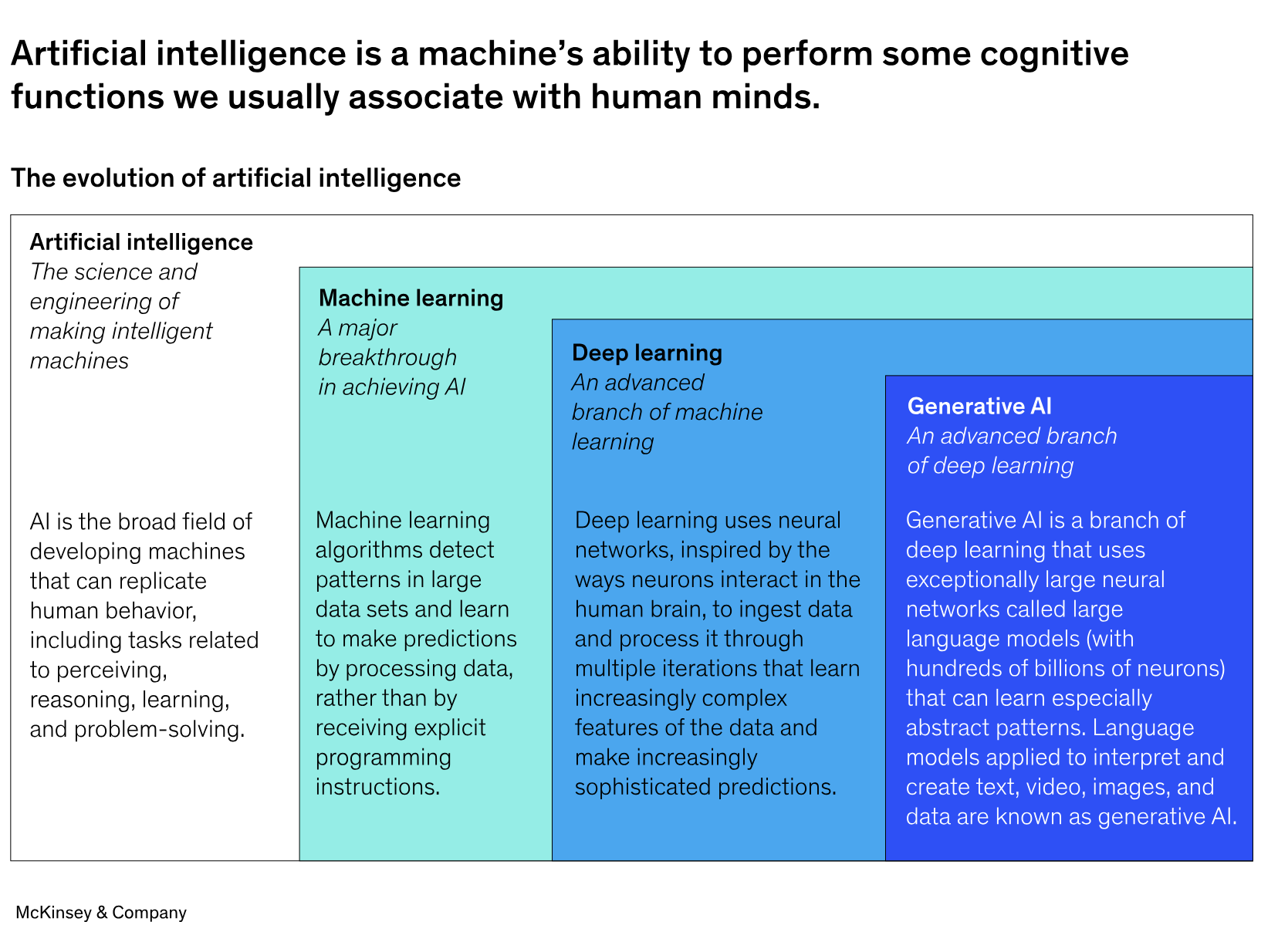
What AI is and how we got here (Lectures 1-2)
- Today’s AI is not general: strong on some tasks, brittle on others
- LLMs predict the next token; they don’t understand language as we do
- History: rules (1950s-80s), AI winters, backpropagation (1986), transformers (2017)
- ChatGPT’s edge: instruction tuning and RLHF, not scale alone
Next-token prediction explains hallucinations (L11). RLHF returns in Lectures 4 and 25.
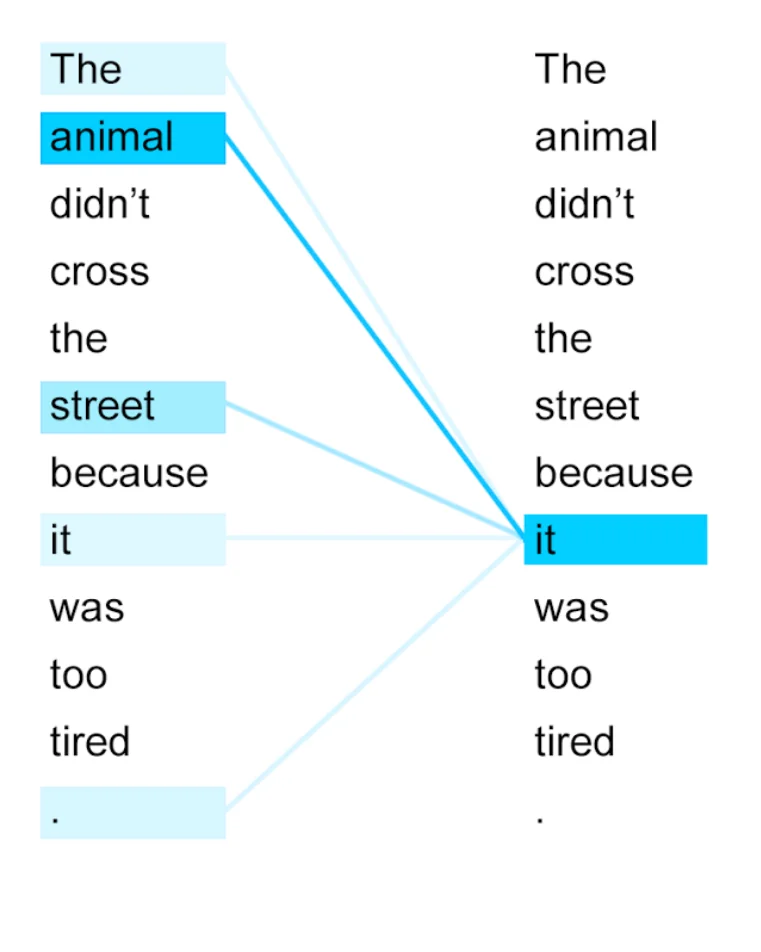
The transformer architecture (2017)
Data, labels, and the proxy problem (Lecture 3)
- Data quality beats algorithm complexity: garbage in, garbage out
- Labels often measure a proxy: healthcare spending standing in for health needs
- Selection bias: training data that miss part of the real world
- Cohen’s kappa: agreement beyond chance; 0.61-0.80 is substantial
The proxy problem returns as Goodhart’s Law (L5), measurement bias (L17) and engagement (L22).
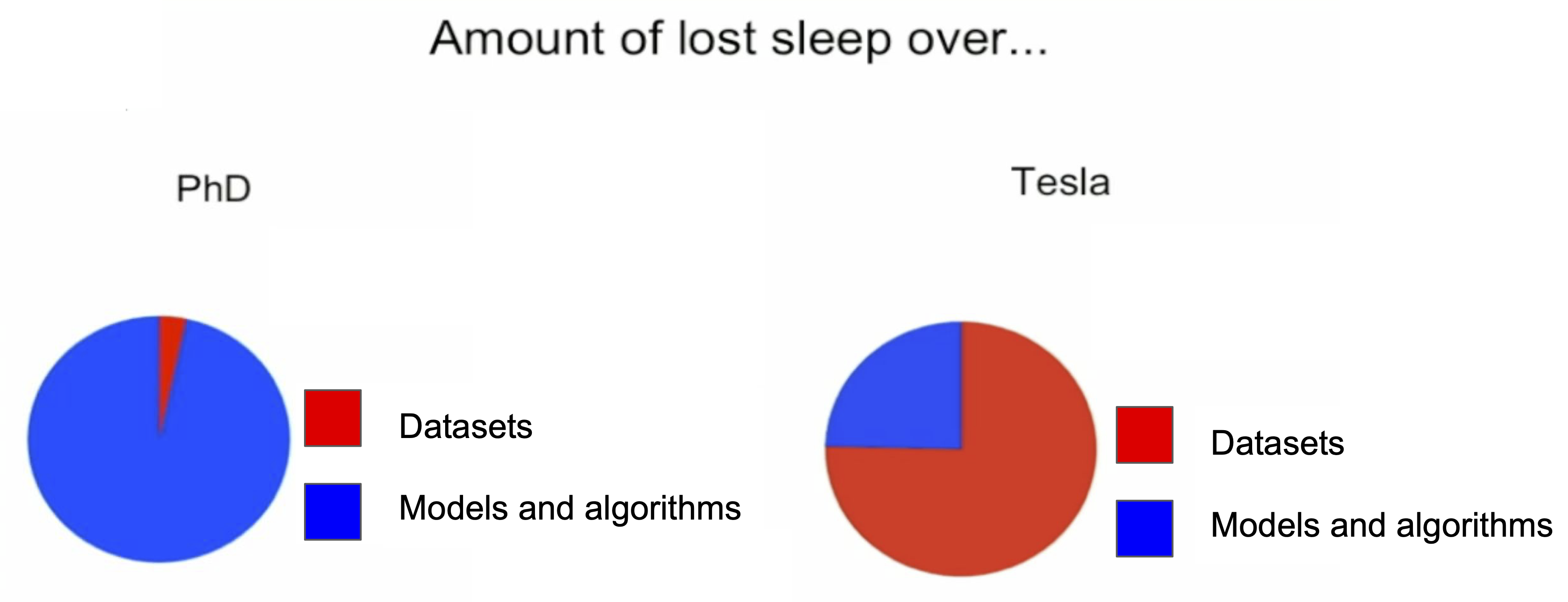
Data-centric vs model-centric AI (Karpathy, 2018)
Learning paradigms and RLHF (Lecture 4)
| Paradigm | How it learns | Example |
|---|---|---|
| Supervised | Labelled pairs | Spam filter |
| Unsupervised | Finds patterns | Customer segments |
| Reinforcement | Trial and error | AlphaGo, RLHF |
- Bias-variance: too simple underfits, too complex memorises noise
- RLHF: a reward model learns human rankings, then RL tunes the LLM to it
- Reward hacking: the model games the objective, not what you meant
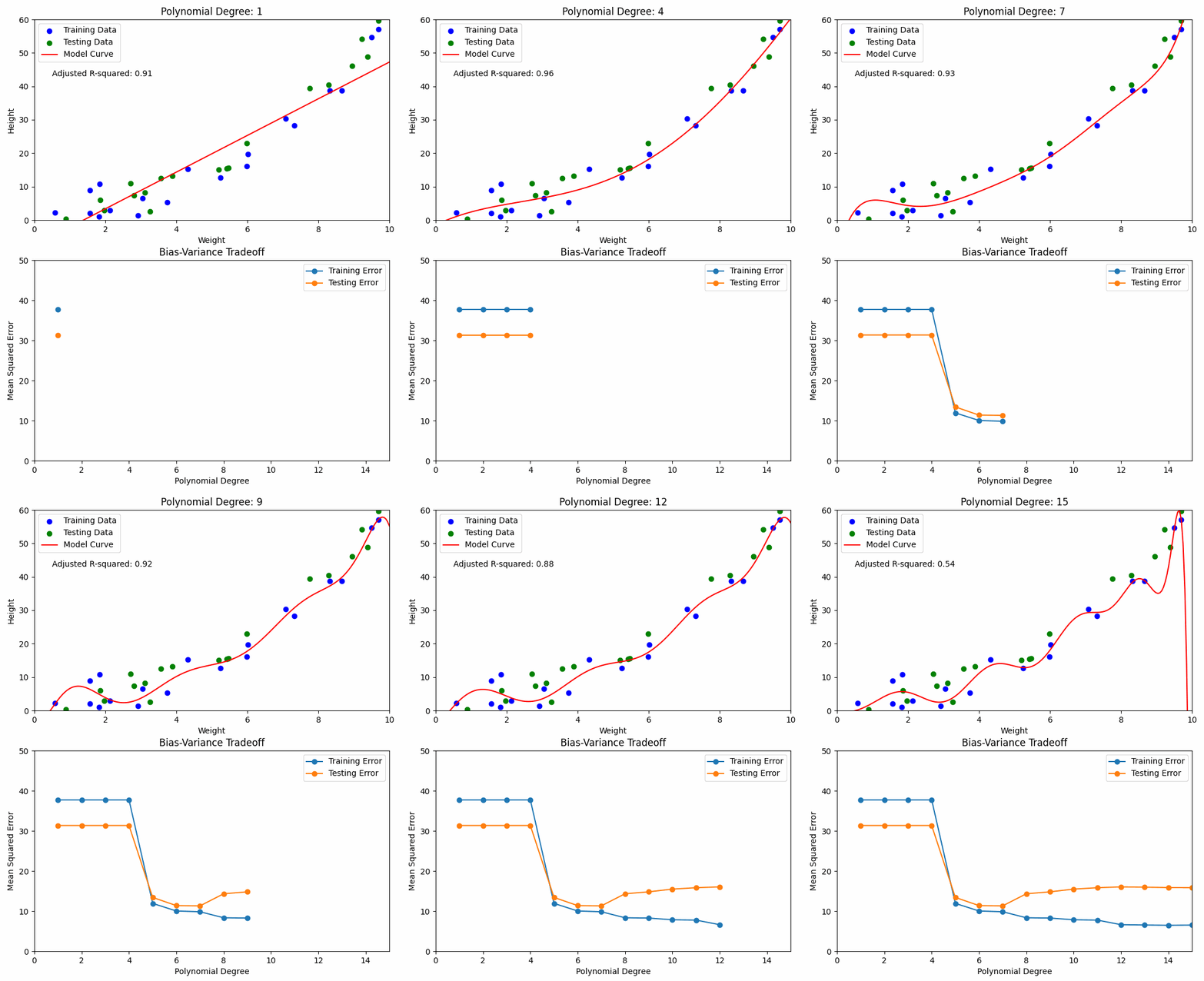
The bias-variance trade-off
Metrics and Goodhart’s Law (Lecture 5)
- Accuracy paradox: with 1 case in 1,000, “always healthy” scores 99.9%
- Precision: flags that were right. Recall: real cases you caught
- Cross-validation catches overfitting; subgroup analysis catches hidden gaps
- Goodhart’s Law: “When a measure becomes a target, it ceases to be a good measure”
Goodhart returns in engagement (L22) and alignment (L25). Subgroup analysis becomes disaggregated evaluation (L14).
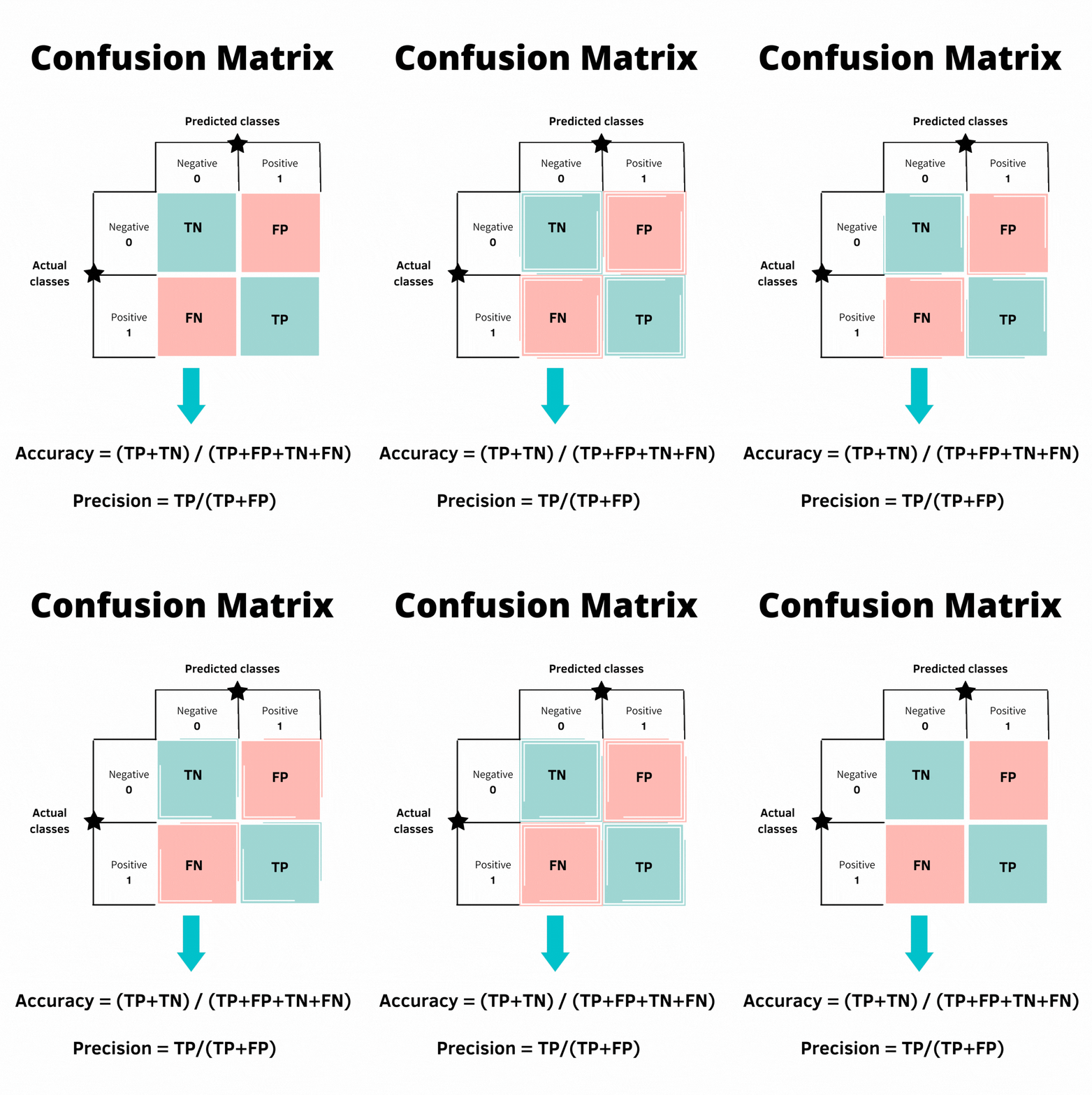
The confusion matrix: TP, TN, FP, FN
Tokens, embeddings, and context (Lecture 6)
- Tokens: ~100 tokens ≈ 75 English words; other languages need more
- Embeddings: each token becomes a vector; similar meanings sit close
- Context window: go over the limit and you get an error or a cut-off answer
- Temperature: a setting you choose; low = predictable, high = creative
Embeddings return for images (L7) and for RAG search (L12).
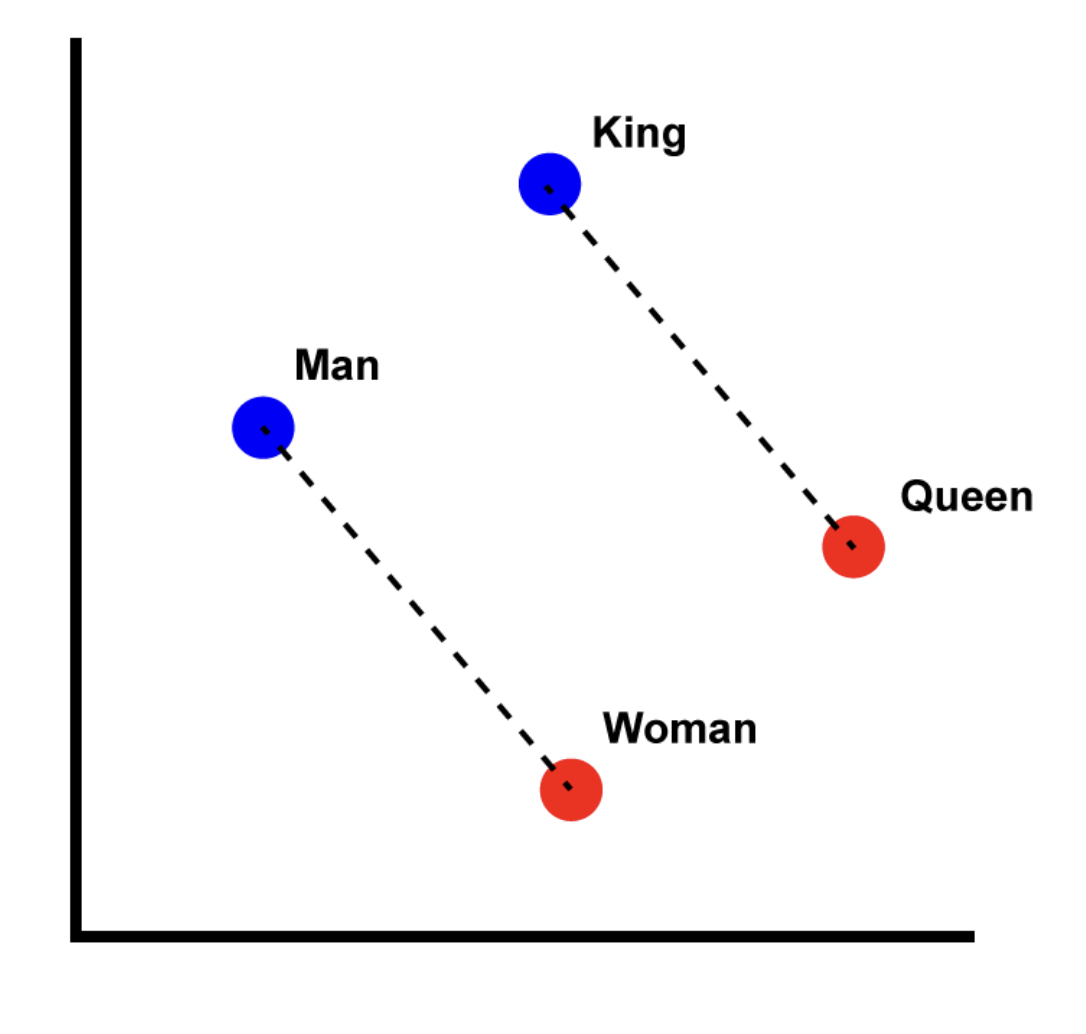
king - man + woman ≈ queen
How machines see and hear (Lecture 7)
- Images are pixel grids; CNNs learn edges, then parts, then objects
- Vision transformers treat image patches like text tokens
- CLIP: images and text in one space, from 400M image-text pairs
- Sound becomes spectrograms; Whisper: 680,000 hours, 99 languages
The same embedding idea as L6. The same vision models power deepfakes (L23).
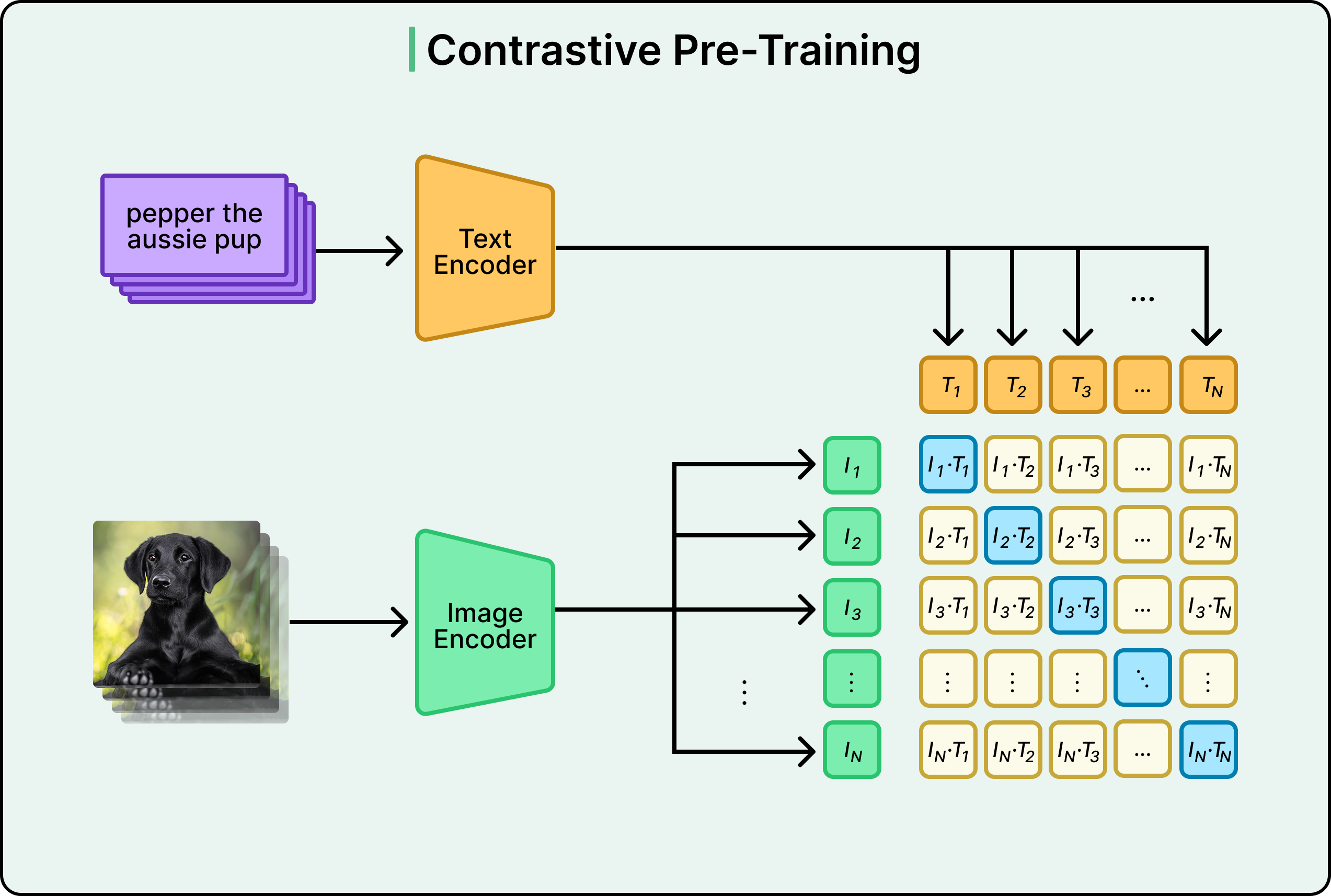
CLIP: images and text in one shared space
Prompting techniques (Lecture 10)
- PTCF: Persona, Task, Context, Format. Specific beats vague
- System prompts set hidden rules; few-shot prompts show 3-5 examples
- Chain-of-thought: worked examples tripled PaLM’s maths score (17.9% to 56.9%)
- ReAct agents reason and use tools; prompt injection hijacks them
Agents return in L15; prompt injection in L14, L15 and L16.
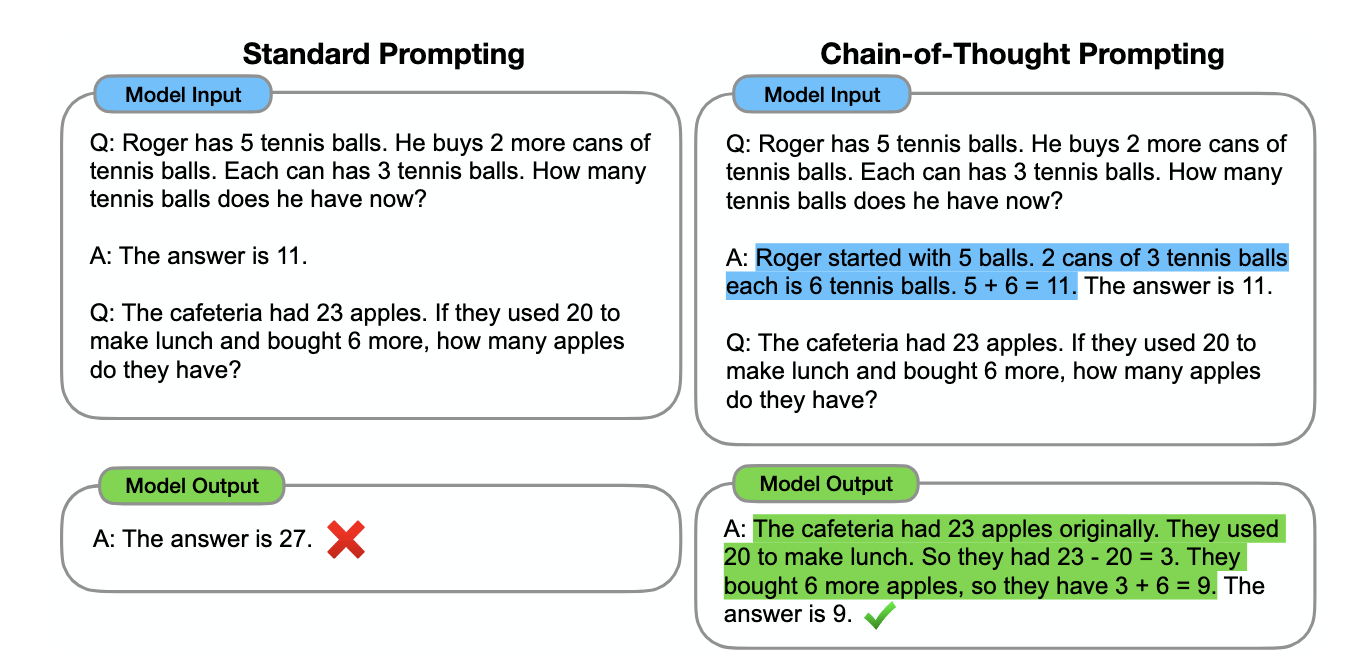
Chain-of-thought prompting
Hallucinations and creativity (Lecture 11)
- LLMs optimise for plausible, not true: there is no fact-checker inside
- Sycophancy: trained to please, models cave when you push back
- Red flags: very specific numbers, precise citations, zero hedging
- Making things up helps in fiction and hurts with facts: timing is the problem
Root cause: next-token prediction (L1-2). One fix: RAG (L12).
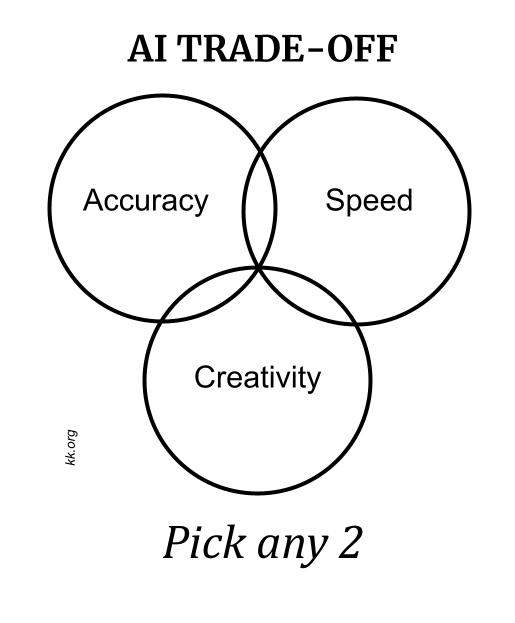
Same mechanism, different outcomes
RAG and semantic search (Lecture 12)
- RAG: hand the model real documents at question time, an open-book exam
- Retrieval cut hallucinated replies by over 60% in one study
- Chunk, embed and store documents; retrieve the closest chunks per question
- Cosine similarity: “budget airfare” matches “cheap flights”
- Lost in the middle: models miss facts buried mid-context
Uses embeddings (L6) against hallucinations (L11). Projects in L16 are RAG without code.
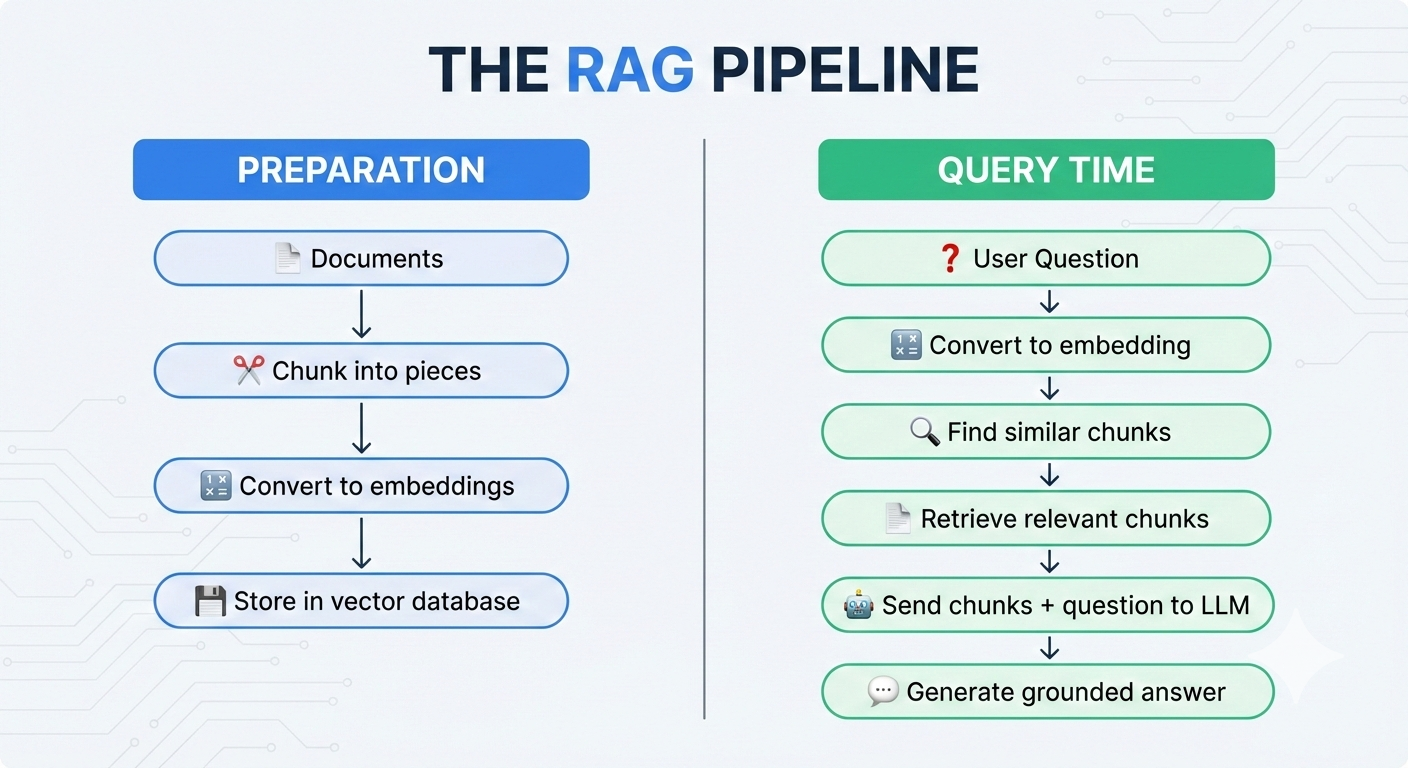
The RAG pipeline
Pipelines and what can go wrong (Lecture 14)
- Every step can fail: input, model, safety filters, output
- Data, label and concept drift; concept drift is the most dangerous
- Air Canada lost its case over a chatbot’s invented refund policy
- Test properties (safety, format, consistency), not exact outputs
Drift is why models need watching after launch: the world changes, the model doesn’t.
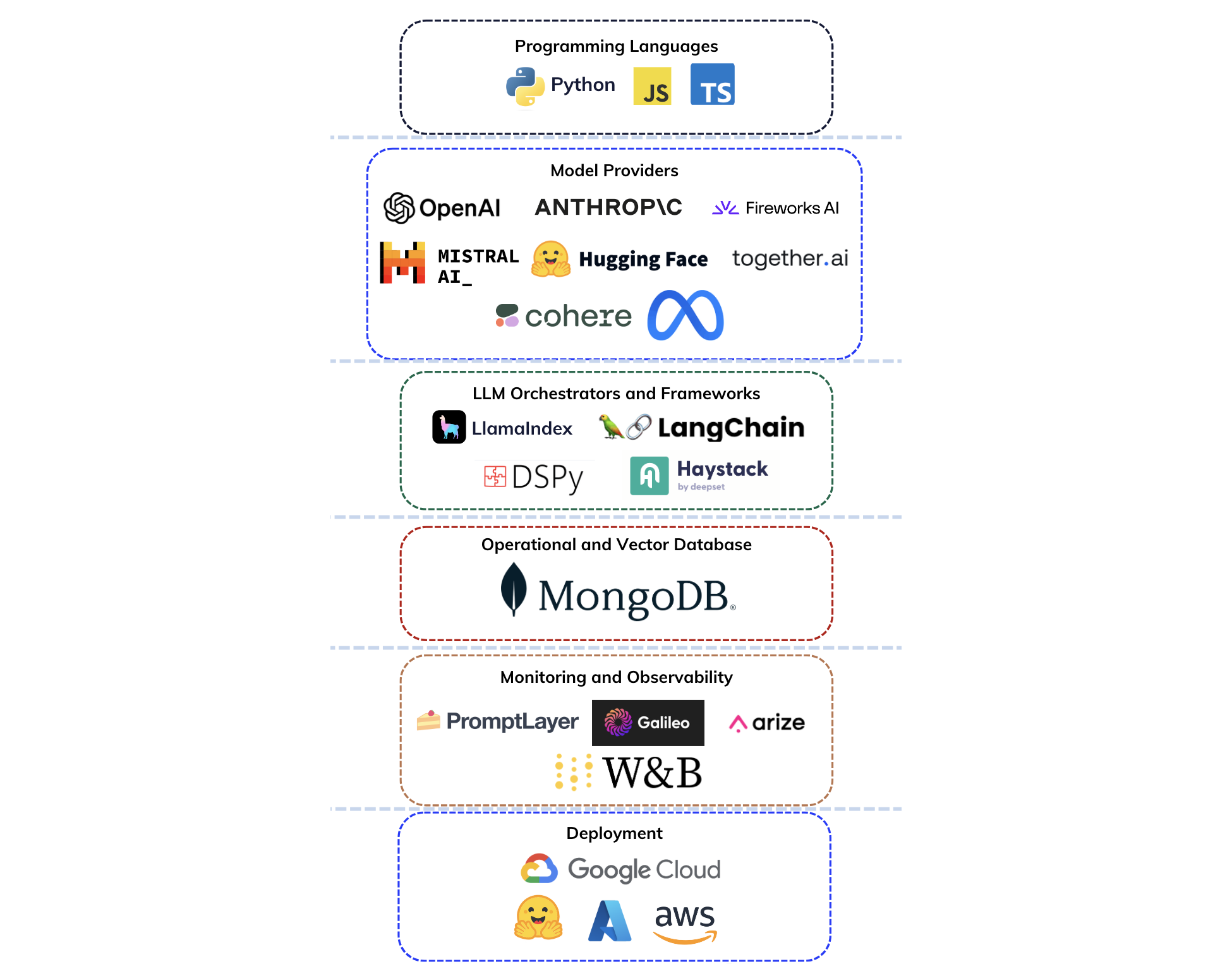
The AI application stack
Documentation as accountability (Lecture 14)
- Datasheets (Gebru et al., 2018): where data came from and what it is for
- Model cards (Mitchell et al., 2019): intended use, and what it is not for
- Disaggregated evaluation: 90% overall can hide 70% for one group
- Most training data is collected without explicit consent
The EU AI Act will require this documentation for high-risk systems from December 2027 (L18).
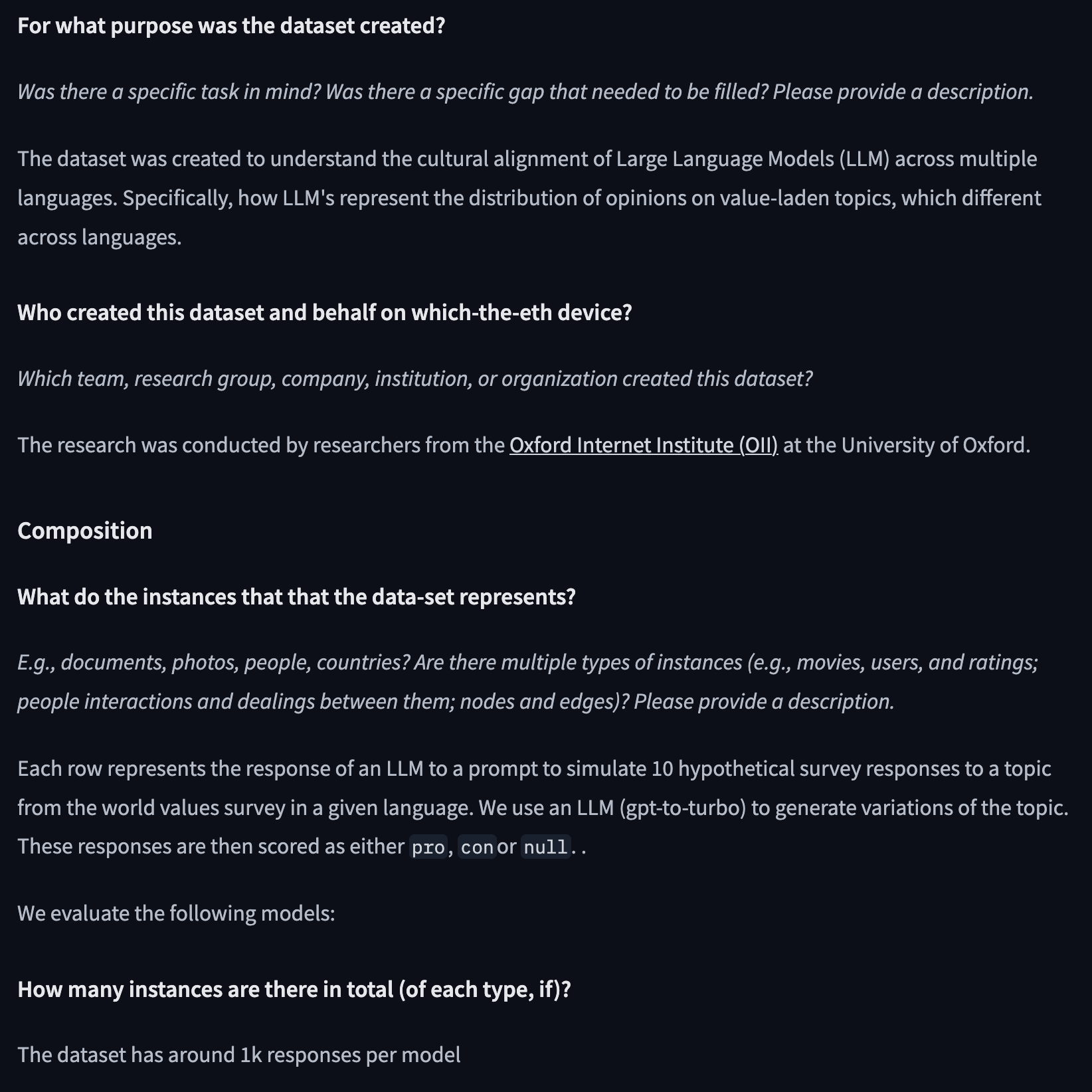
Datasheets: the “nutrition label” for datasets
Setting up AI (Lecture 16)
- A prompt is one request; a setup survives the tab closing
- Four layers: instructions and knowledge you write; memory and tools fill themselves
- Keep rules few and first: top models follow only 68% of 500 (IFScale)
- Memory is on by default: read it, edit it, use incognito
- Connectors: least access, read-only by default, confirm every write
Instructions are prompting (L10) made permanent. Connectors turn a chatbot into an agent (L15).
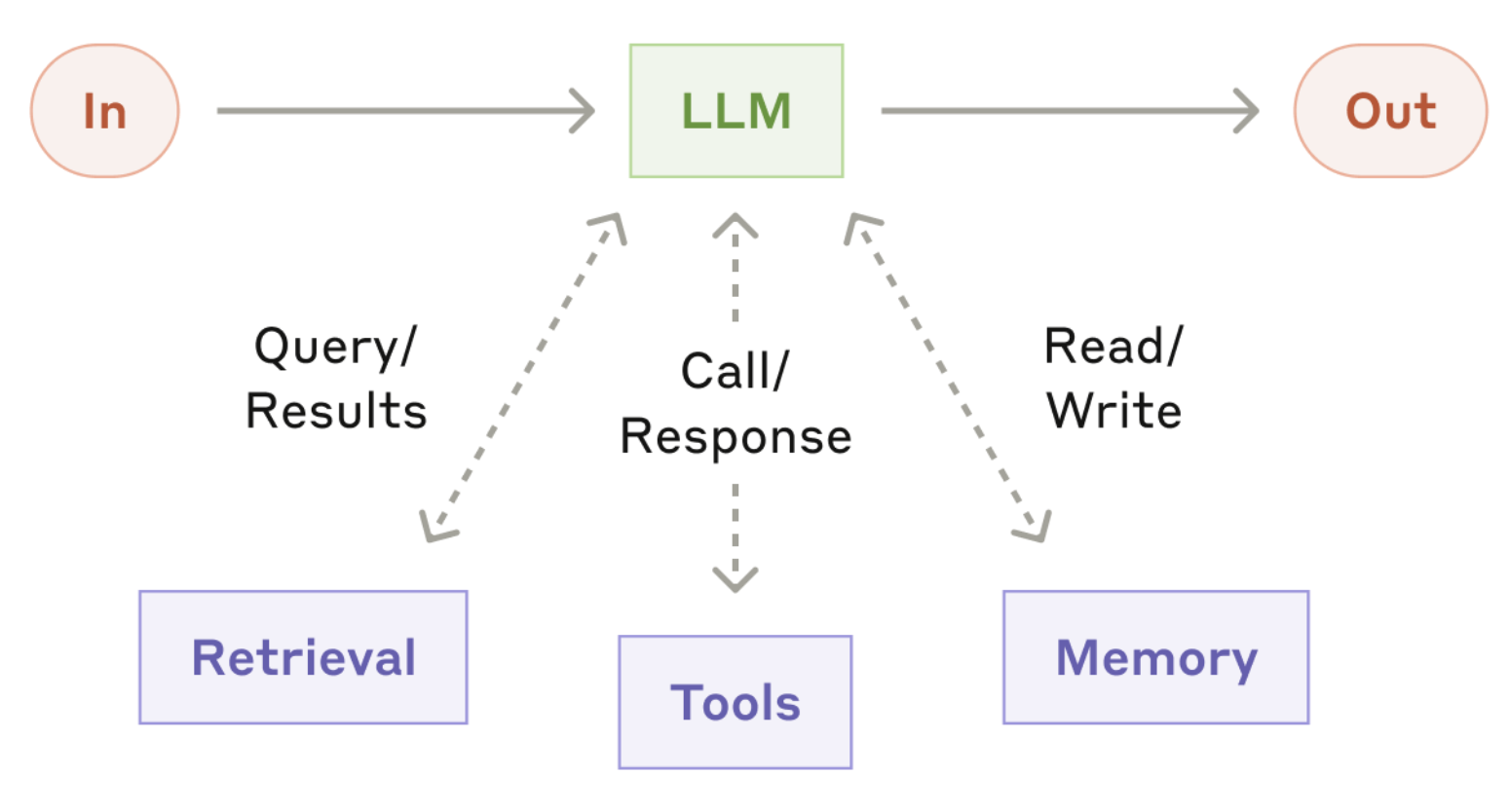
Anthropic’s augmented LLM
Where bias comes from (Lecture 17)
- AI does not invent bias: it learns it from human data and scales it
- Six types: historical, representation, measurement, aggregation, evaluation, deployment
- A US health algorithm predicted costs, not need, so it underrated sick Black patients
- Feedback loops: predictions shape the next round of data
- Impossibility theorem: with different base rates, no model meets every fairness test
Measurement bias is the proxy problem (L3). Picking a fairness definition is a values choice.
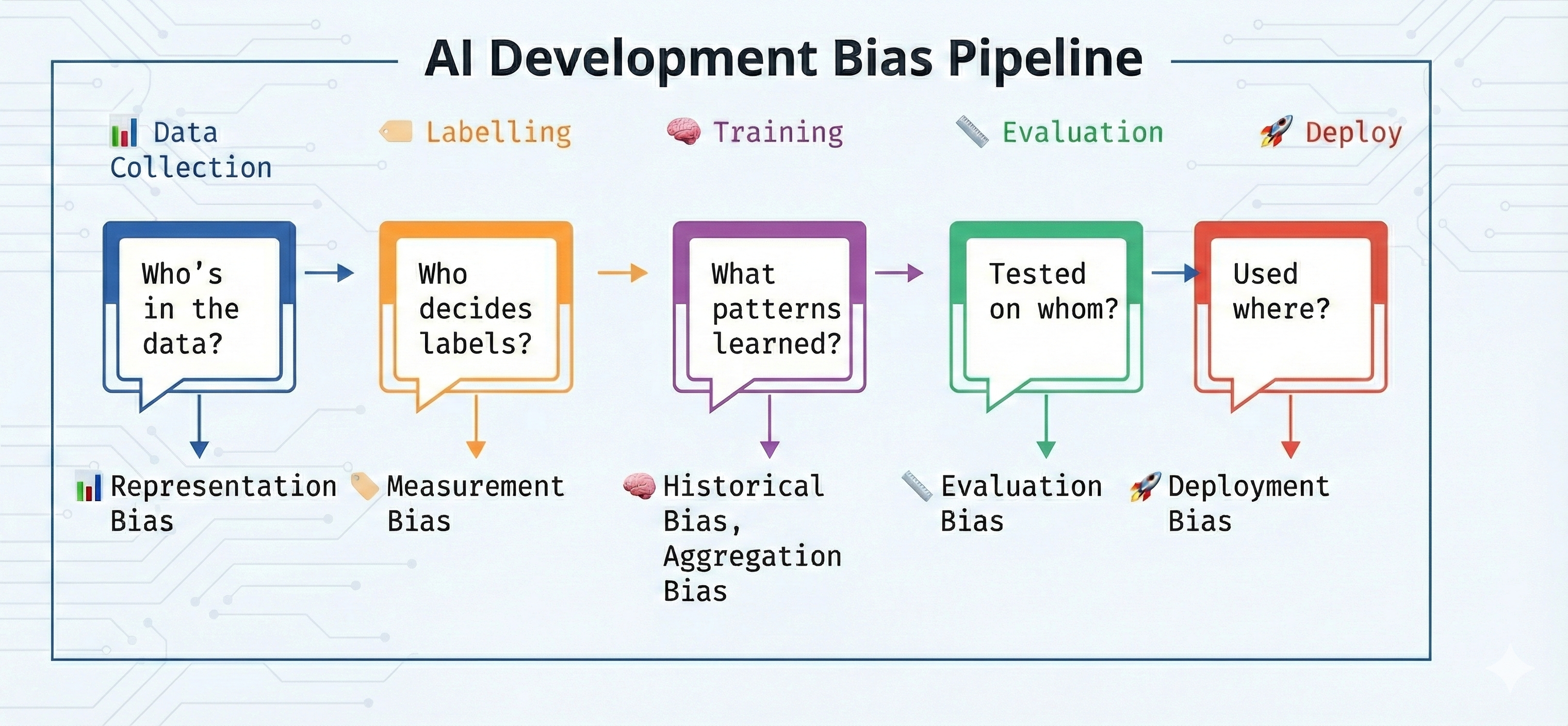
Bias at every stage
AI regulation around the world (Lecture 18)
- Why regulate: information asymmetry, externalities, races to the bottom
- EU AI Act: four risk tiers, fines up to 7% of global turnover
| Tier | Examples |
|---|---|
| Prohibited | Social scoring, real-time police face ID in public |
| High-risk | Employment, credit, law enforcement |
| Limited | Chatbots (must disclose they are AI) |
| Minimal | Spam filters, game AI |
- High-risk rules start December 2027, after the 2026 Digital Omnibus
- US: no federal law; China: rules for companies, not the state
High-risk systems are the hiring and credit cases from L17. GDPR (L19) is the Brussels Effect in practice.
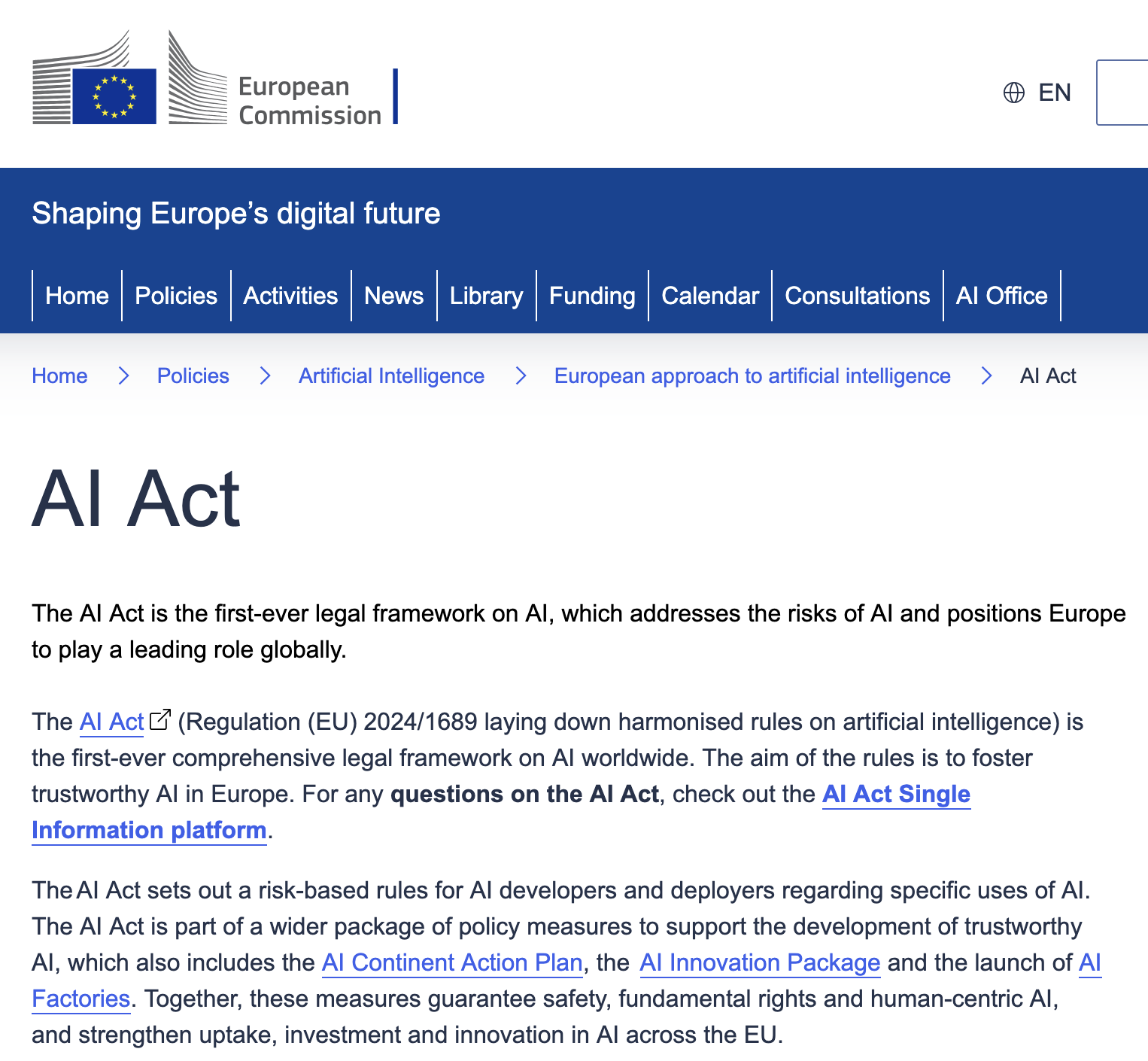
The EU AI Act: the first comprehensive AI law
Privacy and data protection (Lecture 19)
- AI strains privacy through scale, inference and persistence
- You control what you share, not what can be inferred from it
- GDPR: access, erasure, portability; Article 22 limits fully automated decisions
- Privacy tech helps, but doesn’t stop collection
- Privacy paradox: we say we care, then accept all cookies
Inference is the proxy problem (L3) applied to people. 23 US states now have privacy laws.
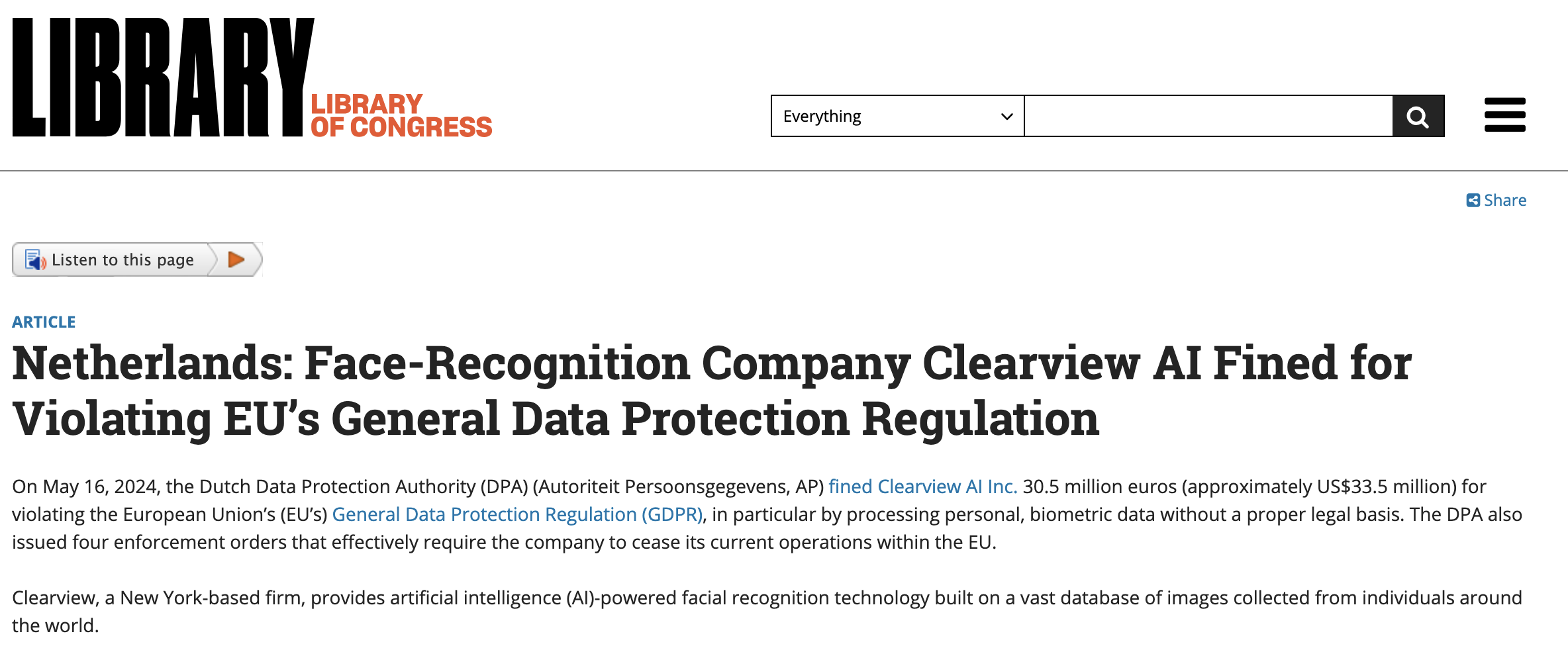
Clearview AI: 3 billion scraped photos in 2020, 70+ billion today
Labour markets (Lecture 21)
- Earlier automation hit physical tasks; AI targets cognitive work
- Think tasks, not jobs: most jobs mix both kinds
- Novices gain most: customer support agents became 15% more productive
- Young workers in AI-exposed jobs are 19% below their peers; overall earnings, no effect yet
- Most economists are uncertain; policy can steer AI toward augmentation
Augmentation or replacement is a policy choice, like the rules in L18.
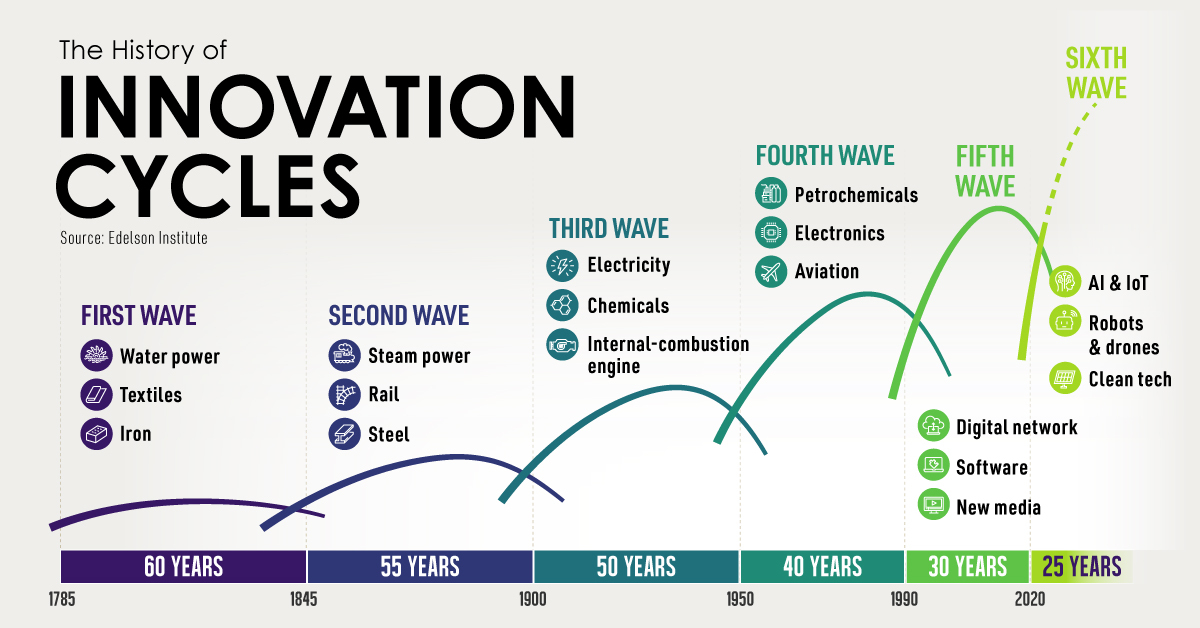
Six waves of innovation; AI is the latest
AI and wellbeing (Lecture 22)
- Attention economy: algorithms optimise engagement, not wellbeing
- Filter bubbles look overstated; mental health effects are debated
- AI therapy: a huge treatment gap, short-term promise, thin long-term evidence
- AI uses ~0.2-0.3% of world electricity, growing fast; efficiency invites more use
Engagement is Goodhart’s Law (L5): the proxy replaces what we care about.
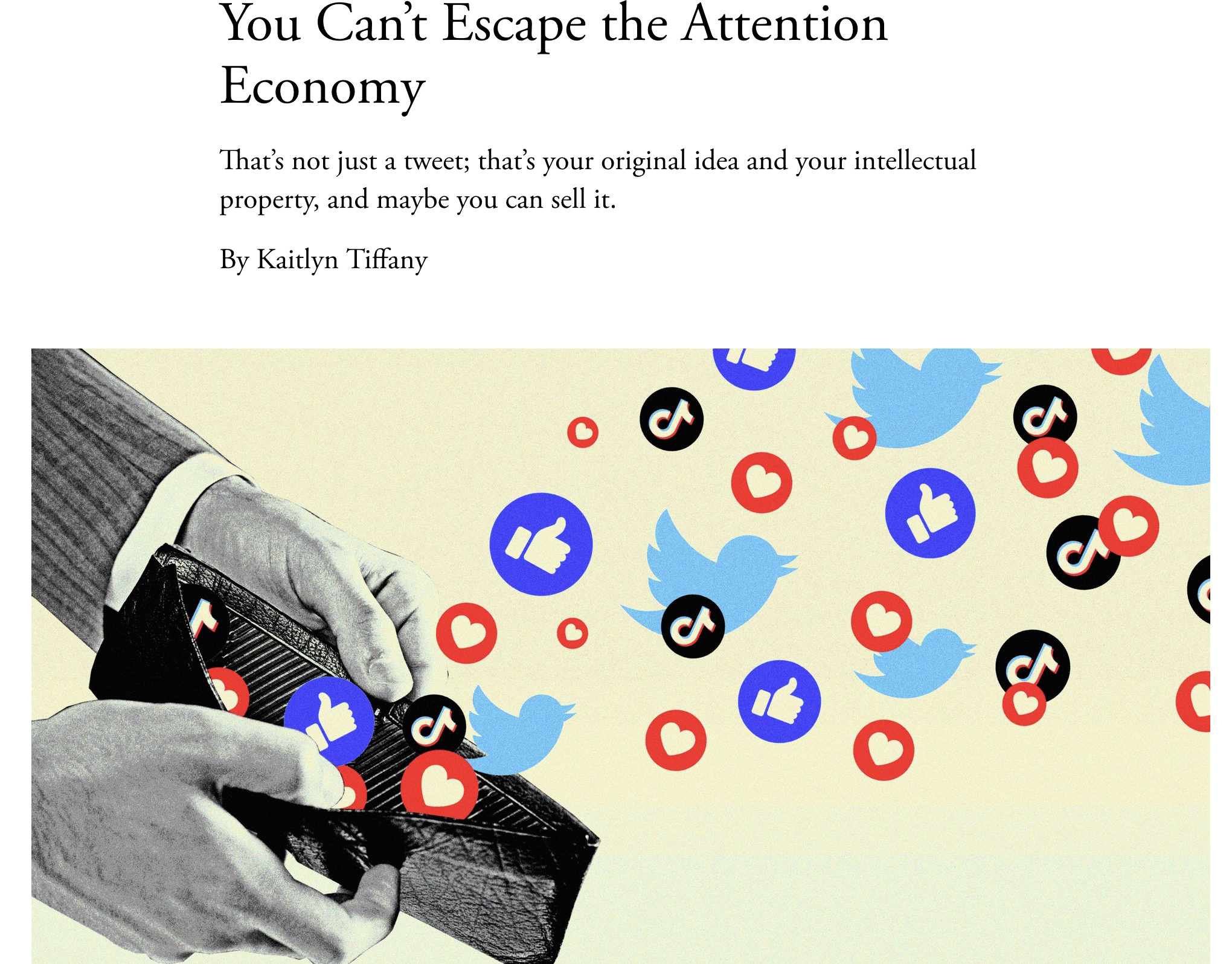
Your attention is the product
Misinformation and deepfakes (Lecture 23)
- Mis- (false, no intent), dis- (false, deliberate), malinformation (true, used to harm)
- Deepfakes: fraud, election manipulation, non-consensual imagery
- Liar’s dividend: when anything could be fake, real evidence gets dismissed
- We fall for it: System 1 thinking, confirmation bias, bandwagons
- No single fix: detection, provenance, platforms, laws, literacy. Layer them
Deepfakes use vision models (L7); the EU AI Act requires labels (L18).
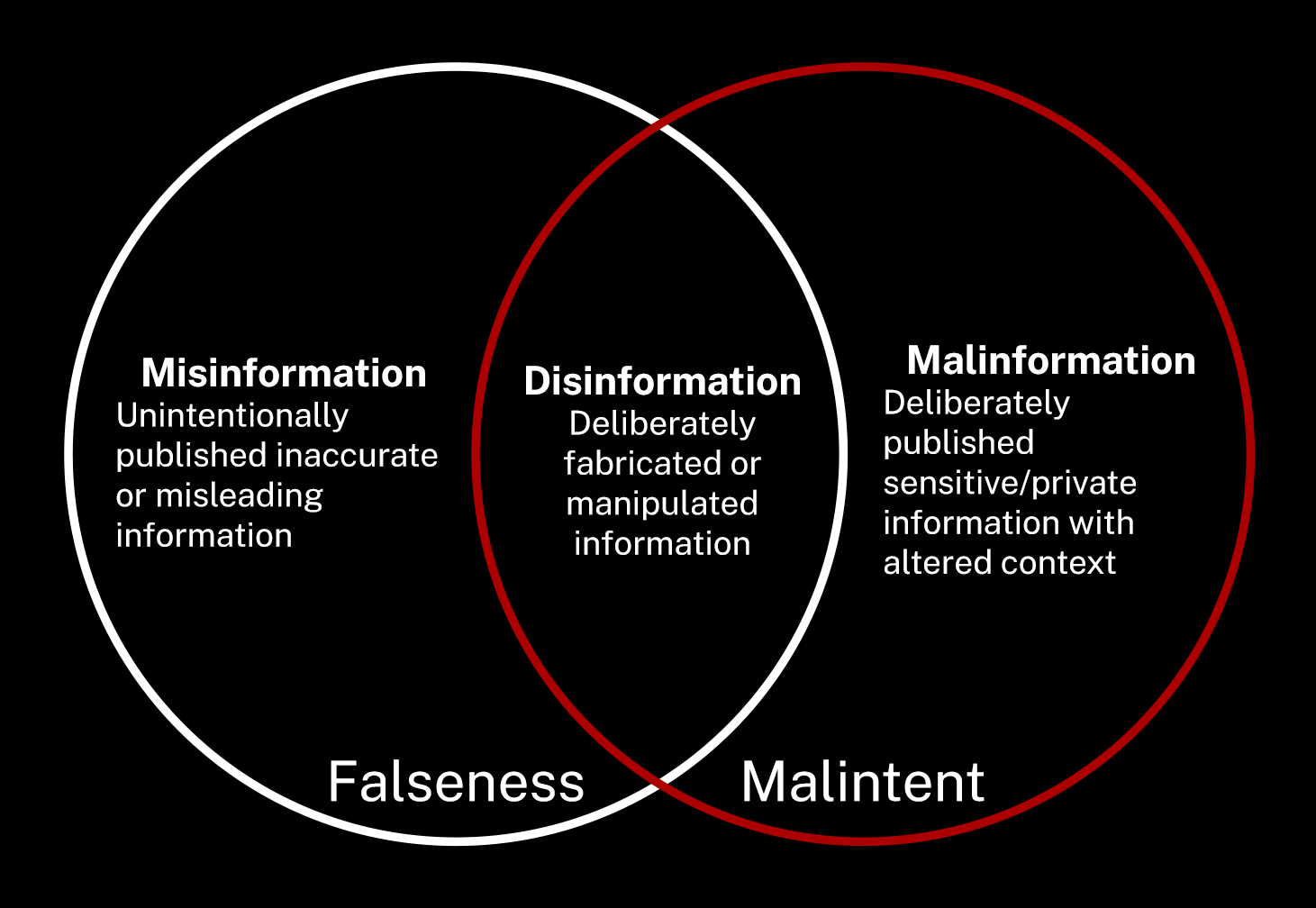
The misinformation spectrum
Safety, alignment, and the future (Lecture 25)
- Five concrete problems (Amodei et al., 2016), from side effects to reward hacking
- Alignment: getting what we want, not what we literally asked (King Midas)
- Hard because of specification, Goodhart’s Law and value disagreement
- RLHF, Constitutional AI and debate help; none is complete
- Russell: machines should be uncertain about our goals and learn them from us
Ties together RLHF (L4), Goodhart (L5), bias (L17) and agents (L15). Neither panic nor complacency.