DATASCI 101: Introduction to AI Applications
Lecture 02: A Brief History of AI and the Recent Shift

Department of Data and Decision Sciences
Emory University
Lecture overview
Today’s agenda
- The pre-history of AI
- Birth of AI: Dartmouth 1956
- Symbolic AI and expert systems
- AI winters and why they happened
- The neural network comeback
- The data revolution
- Transformers explained simply
- From GPT to ChatGPT
The pre-history of AI
Ancient myths of artificial life
- Humans have long dreamed of creating artificial life
- Ancient myths featured mechanical beings:
- Talos (Greek): bronze giant protecting Crete
- Golem (Jewish folklore): clay figure brought to life
- Frankenstein (1818): Mary Shelley’s novel about creating life
- Can machines truly think, or only simulate thinking?
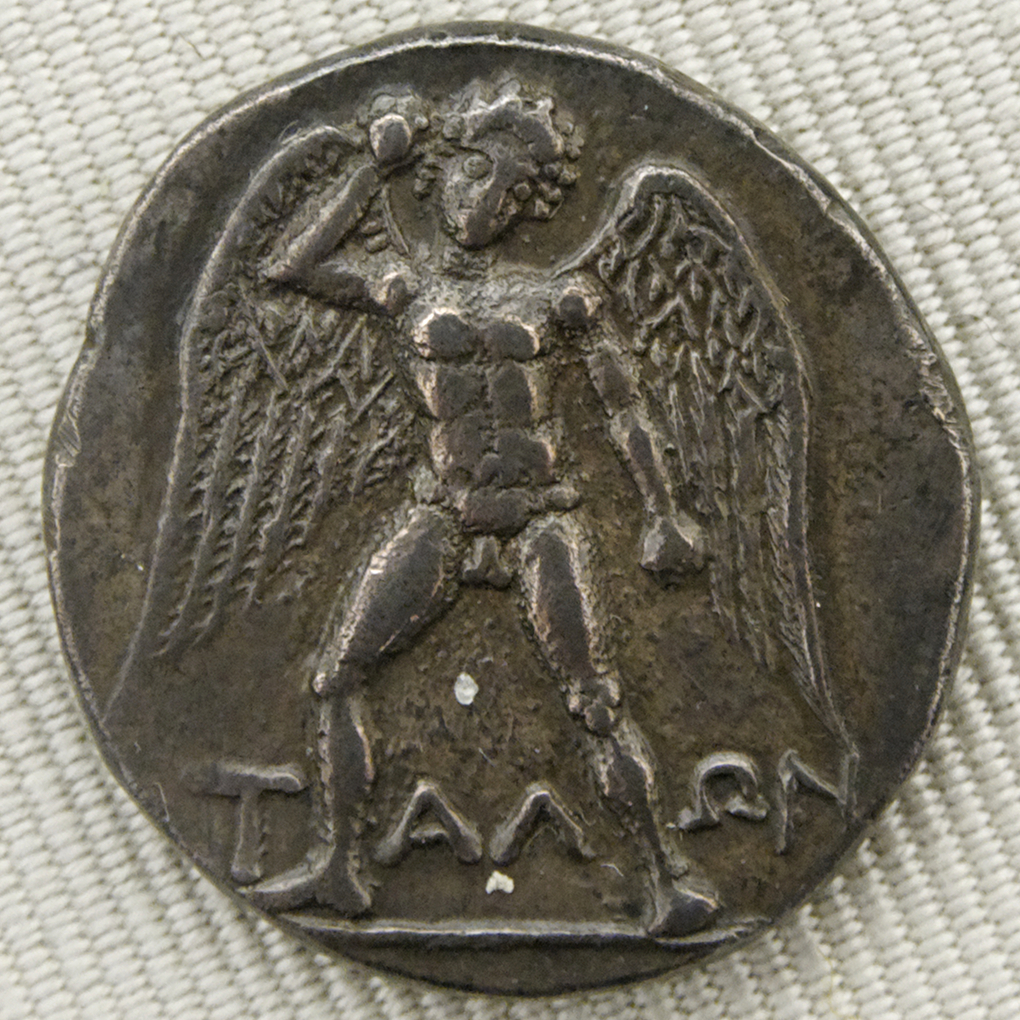
Source: Wikipedia - Talos
Early mechanical calculators
From Pascal to Babbage
- Can intelligence be reduced to rules and symbols, or does it emerge from interconnected units?
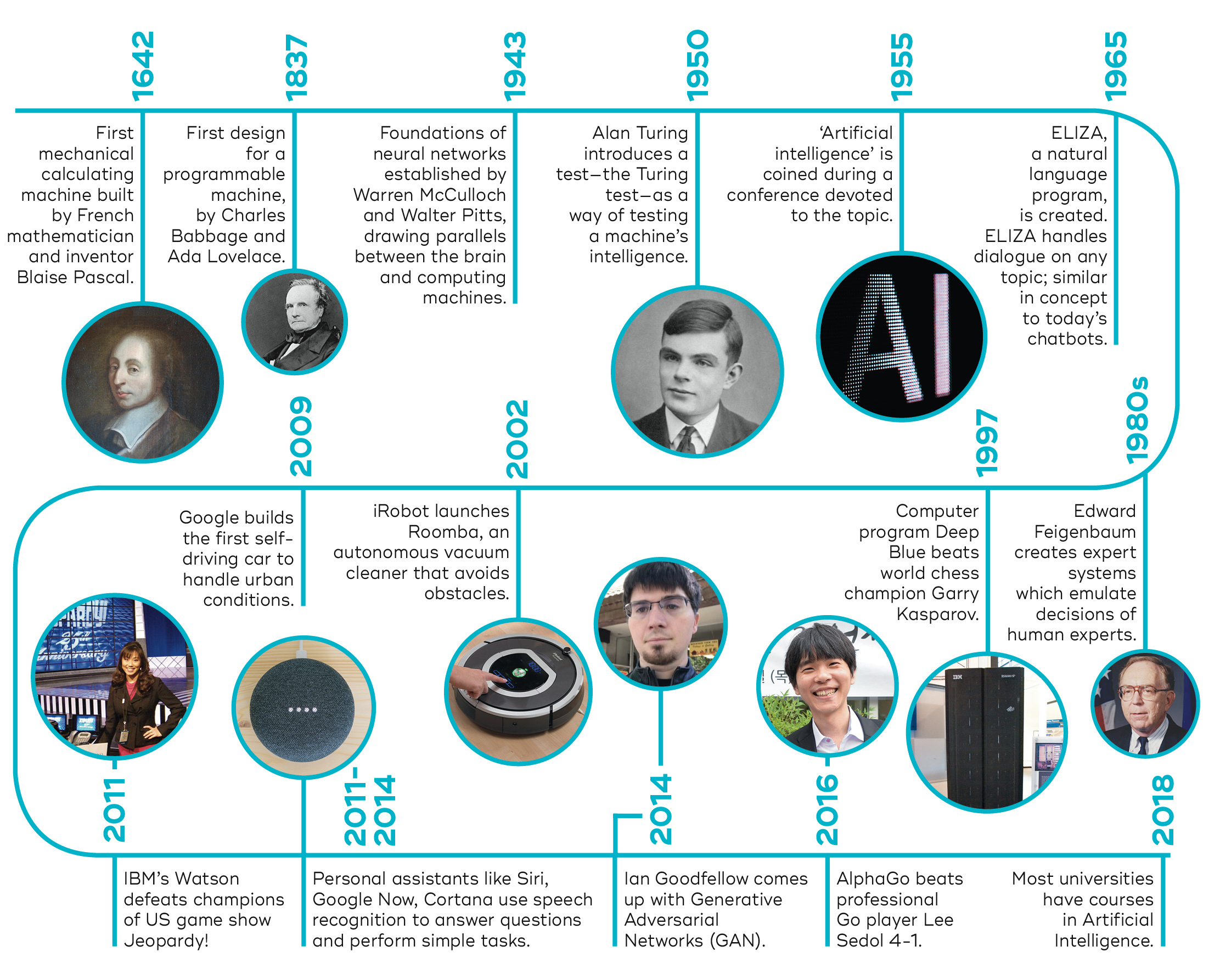
- 1642: Blaise Pascal builds the Pascaline, a calculator for addition and subtraction
- 1673: Gottfried Leibniz builds a machine that multiplies and divides
- 1837: Charles Babbage designs the Analytical Engine, a programmable, general-purpose computer (never completed)
- Many credit Ada Lovelace with the first computer program, written for Babbage’s machine
- Calculation could be separated from human minds
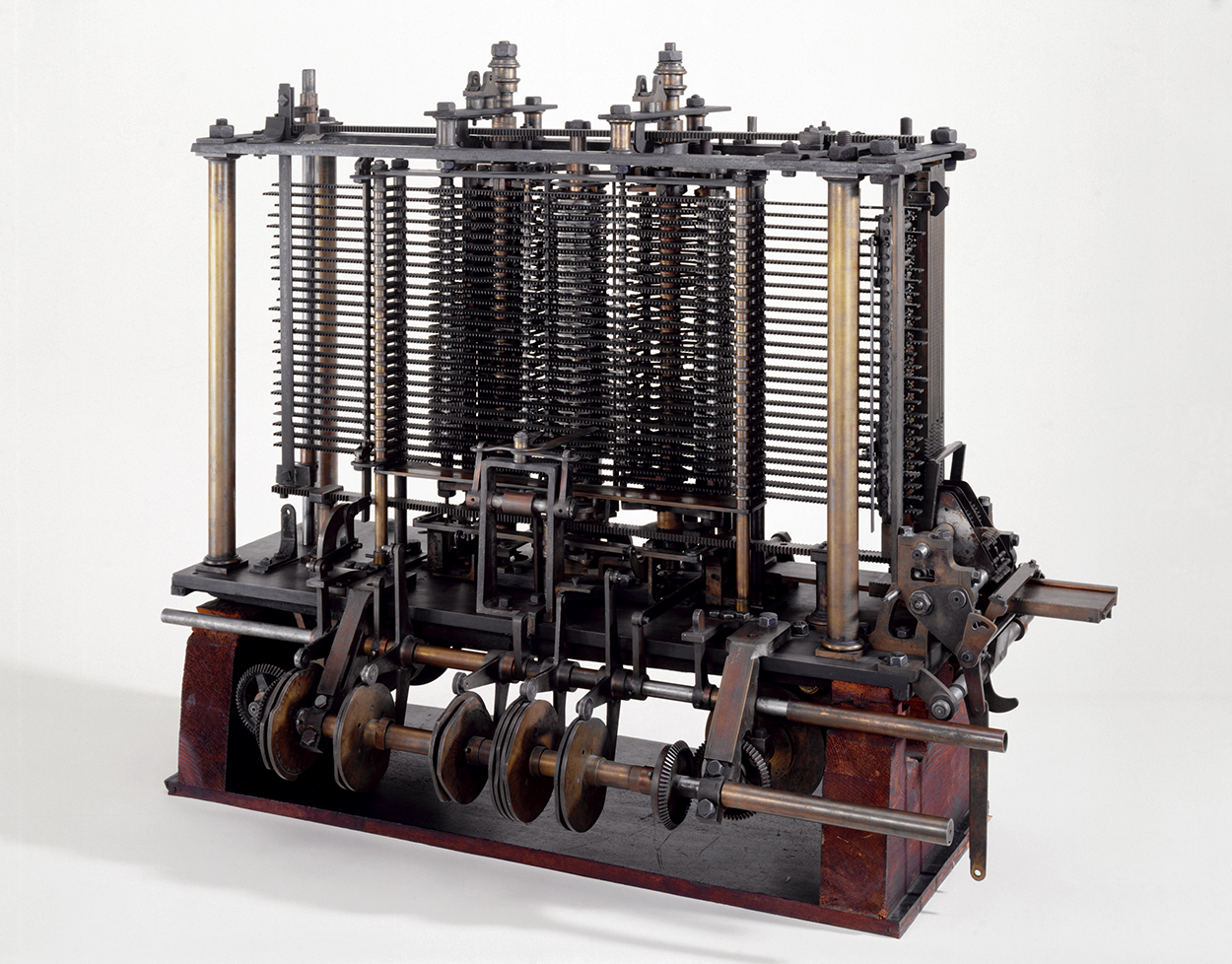
Source: Wikipedia - Analytical Engine
Human computers
When “computer” meant a person
- For most of history, the word “computer” meant a person, not a machine!
- Large teams of them worked out astronomical tables, ballistics trajectories and census data
- Often women, paid less than male mathematicians
- This division of mental labour (Adam Smith!) broke complex calculations into simple, mechanical steps
- Historian Lorraine Daston: calculation shifted from “genius” to “merely mechanical”
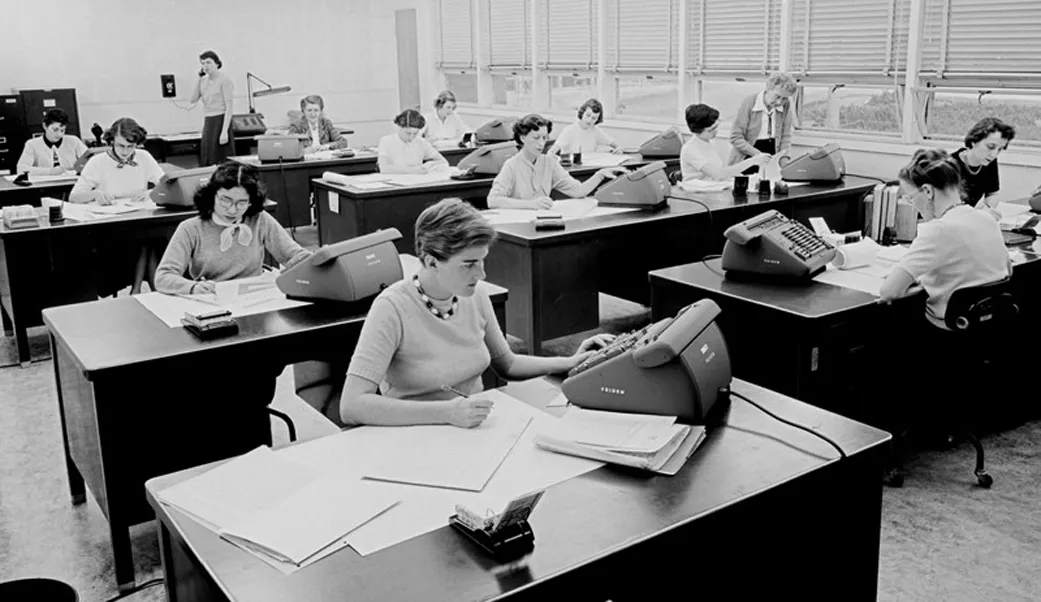
Source: NASA
Alan Turing and the foundations of computing
The theoretical breakthrough
- 1936: Alan Turing publishes “On Computable Numbers, with an Application to the Entscheidungsproblem” (decision problem)
- Introduces the universal machine, which can compute anything computable
- 1950: publishes “Computing Machinery and Intelligence” in Mind (philosophy journal)
- Asks “Can machines think?”, then replaces it with a question he can test
- Proposes the Turing Test: can a machine fool a human into thinking it’s human?
- These ideas laid the theoretical foundation for computing and AI
- He suggested machines could learn, not just follow fixed rules
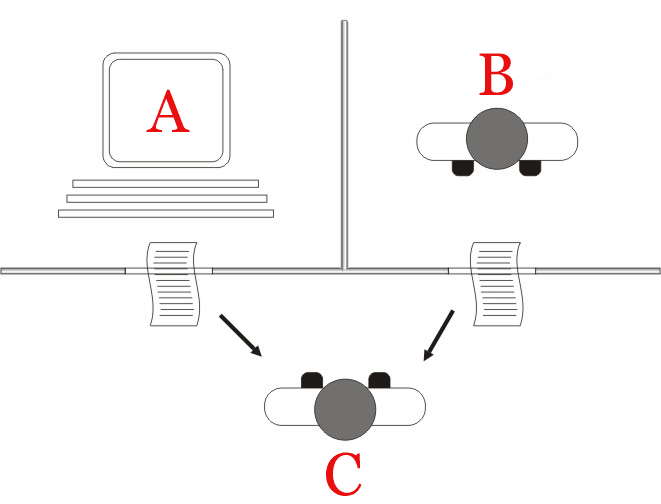
Source: Wikipedia - Turing Test
The Dartmouth Conference (1956)
Where it all began
- Summer 1956: a workshop at Dartmouth College marks the birth of AI as a field
- Organised by John McCarthy, Marvin Minsky, Nathaniel Rochester, and Claude Shannon
- The term “Artificial Intelligence” was coined in the 1955 proposal for the workshop
- The founding conjecture:
“Every aspect of learning or any other feature of intelligence can in principle be so precisely described that a machine can be made to simulate it.”
- Attendees included Herbert Simon and Allen Newell
- Optimism was high: many believed human-level AI was decades away
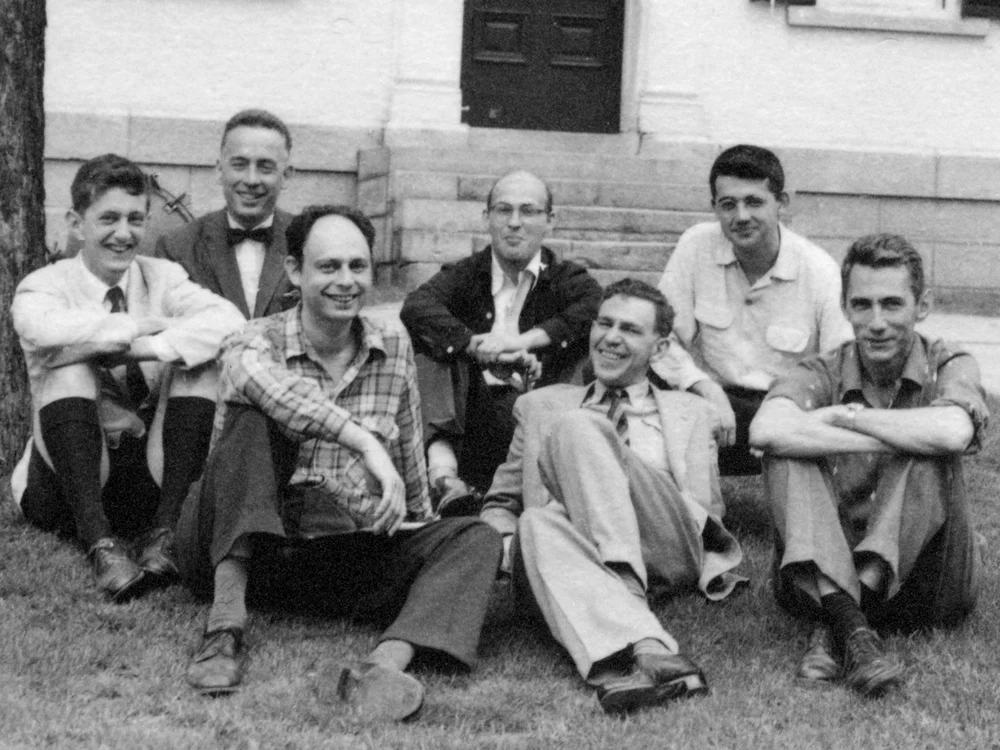
Source: IEEE Spectrum
Early neural networks
Inspired by the brain
- 1943: McCulloch and Pitts propose artificial neurons
- Binary units that mimic biological ones
- 1958: Frank Rosenblatt builds the Perceptron
- The first network that could learn, adjusting its weights whenever it got something wrong
- The New York Times (1958) said it would “walk, talk, see, write, reproduce itself”
- Stop writing rules. Show the machine examples
- Single-layer perceptrons failed on simple problems, and interest waned
- Multi-layer networks could solve them, but nobody knew how to train them
- The comeback took nearly 20 years
- But how does an artificial neuron work?
- Each input (\(x_i\)) is a number, say a pixel’s brightness
- A weight (\(w_i\)) sets how much that input matters
- Add the weighted inputs, plus a bias (\(b\)) that decides when the neuron fires: \(z = \sum x_i \cdot w_i + b\)
- Pass \(z\) through an activation function, a non-linear bend: \(y = f(z)\)
- Without that bend, the whole network is just a linear model
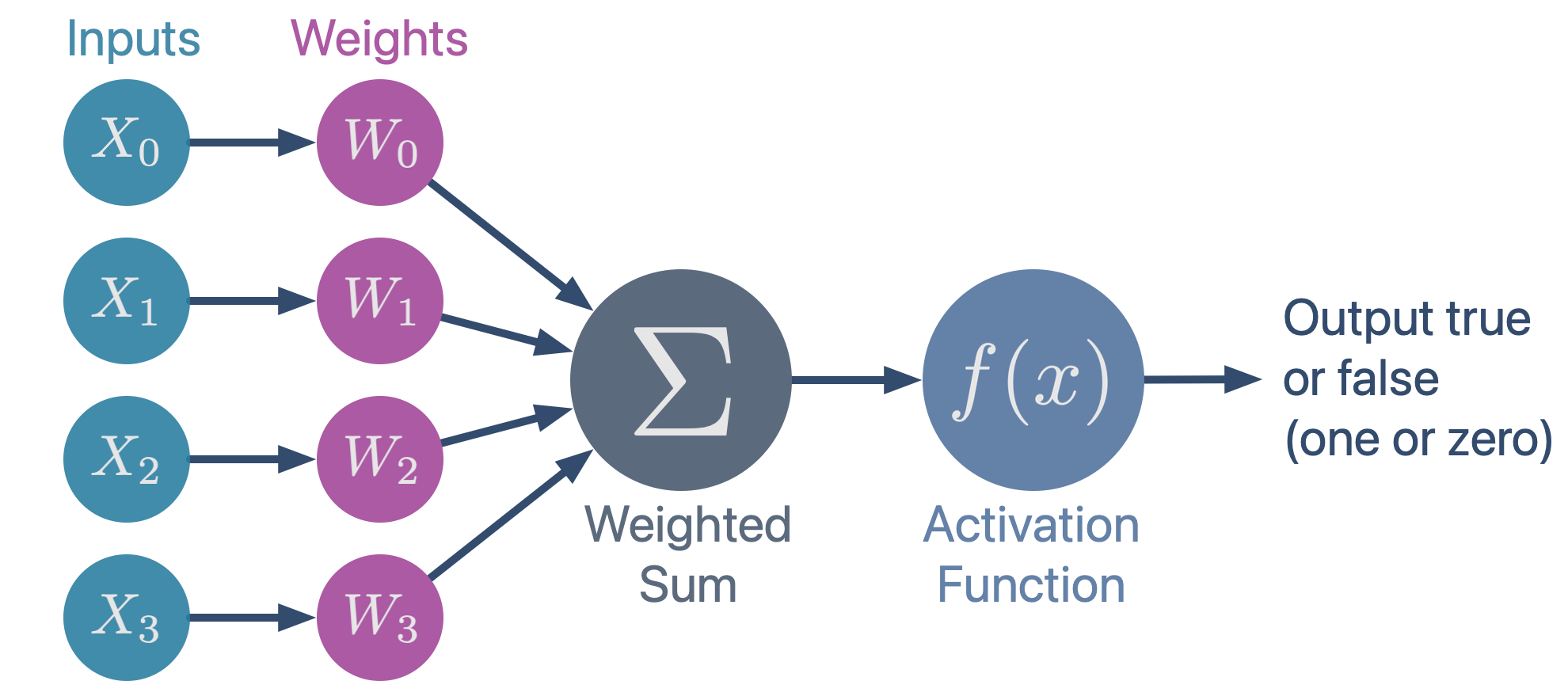
Source: AI Mind
The backpropagation breakthrough (1986)
Learning to learn
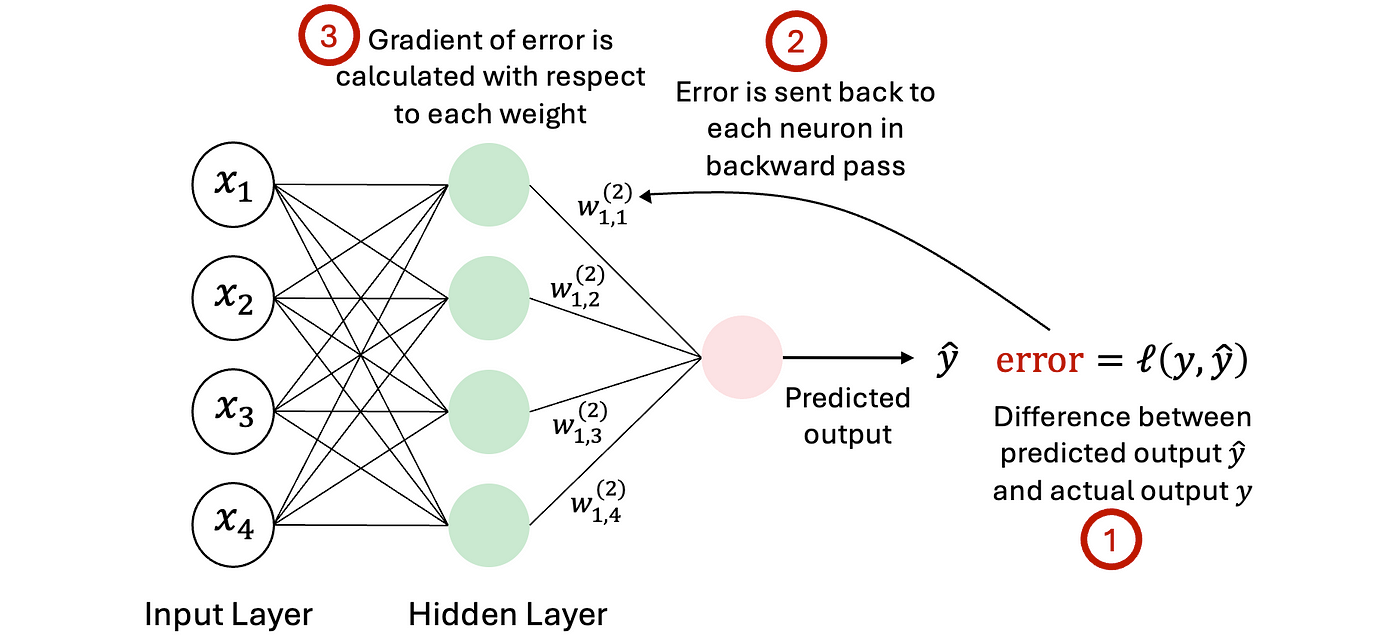
- 1986: Rumelhart, Hinton, and Williams popularise backpropagation
- You can train multi-layer networks by propagating errors backwards through the layers
- It finds highly non-linear functions through precise adjustments to many weights
- Renewed interest in connectionism
- Two limits remained: computing power and training data
- Neural networks showed promise but still lost to other methods
Source: Medium
The unreasonable effectiveness of data
A paradigm shift
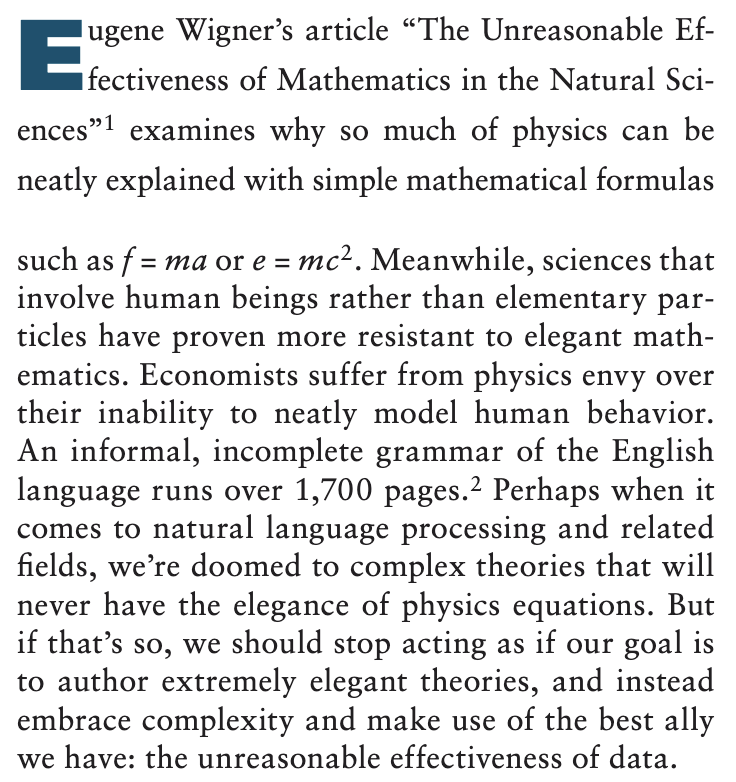
- 2009: Google researchers (Halevy, Norvig, Pereira) publish “The Unreasonable Effectiveness of Data”
- Simple models with lots of data beat complex models with less data
- Traditional AI: design clever algorithms
- New AI: feed massive amounts of data to simple learning algorithms
“Now go out and gather some data, and see what it can do.”
- Data, computing power, and better algorithms arrived together
- No one of them was enough alone. All three changed the field
Source: Google Research
The ImageNet moment (2012)
Deep learning arrives
- ImageNet: a dataset of 14 million labelled images
- Annual competition: classify images into 1,000 categories
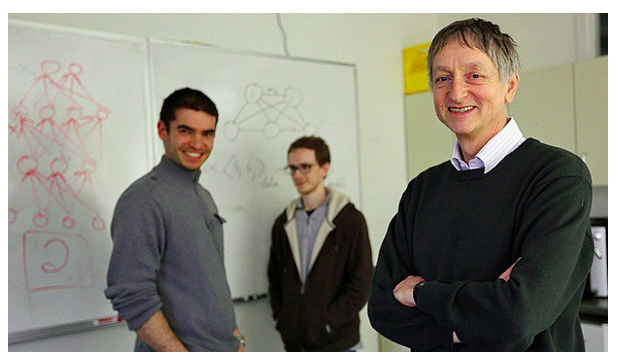
- 2012: AlexNet (Krizhevsky, Sutskever, Hinton) wins by a huge margin
- Error rate: 15.3% (next best: 26.2%)
- Used deep neural networks
- Trained on Graphics Processing Units (GPUs), better than Central Processing Units at parallel processing
- Within years, deep learning dominated computer vision
- Proved that neural networks + big data + GPUs = breakthrough
Source: Medium
Attention is all you need (2017)
The transformer revolution
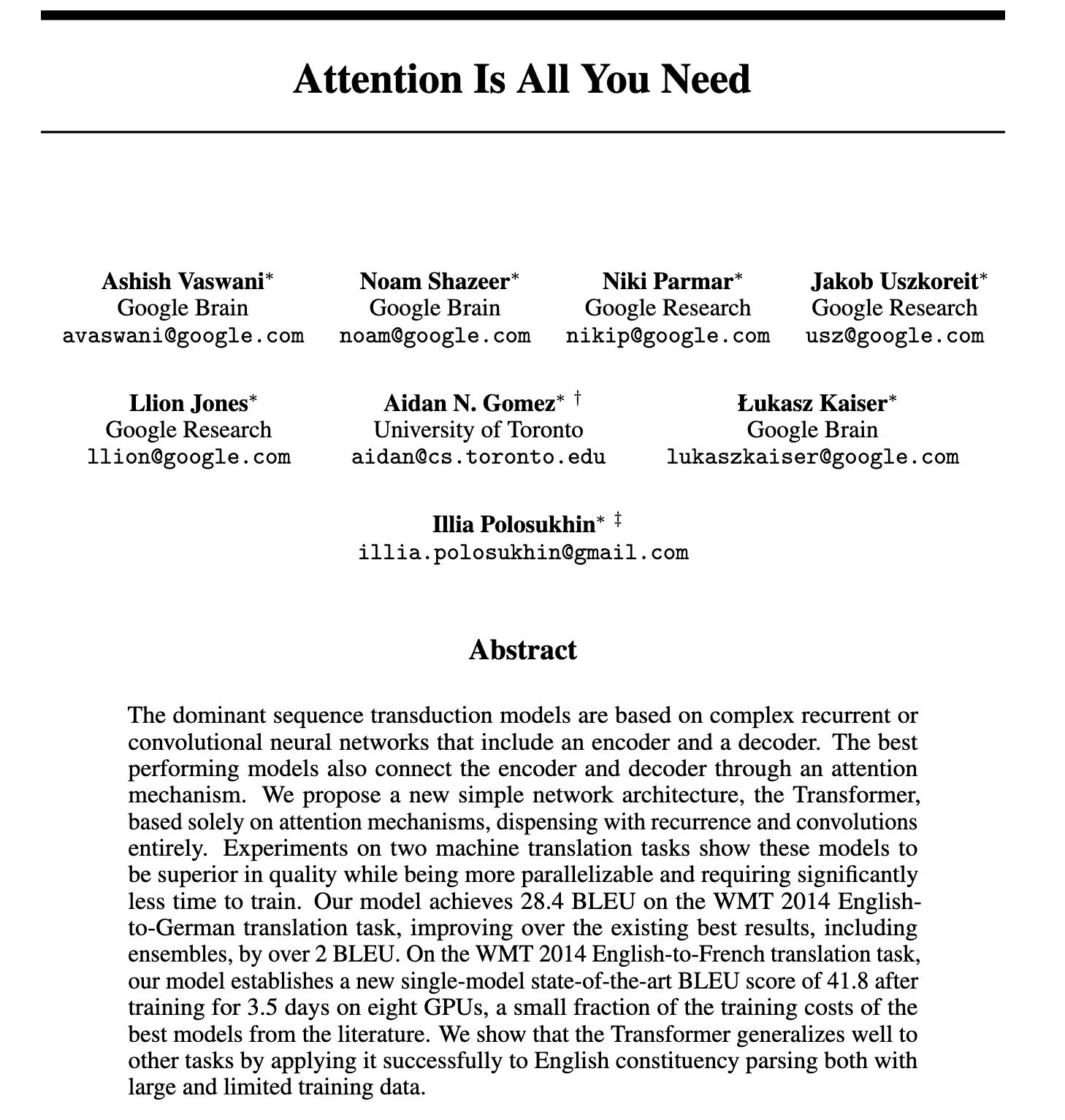
- 2017: Google researchers publish “Attention Is All You Need” (Vaswani et al.)
- The self-attention mechanism replaces sequential processing:
- Each word “looks at” every other word directly
- It computes relevance scores between all pairs
- Parallel processing: much faster to train
- This architecture powers GPT (Generative Pre-trained Transformer), BERT, and pretty much all modern AI
- Beyond text: images, audio, video, proteins, games…
How transformers work (simplified!)
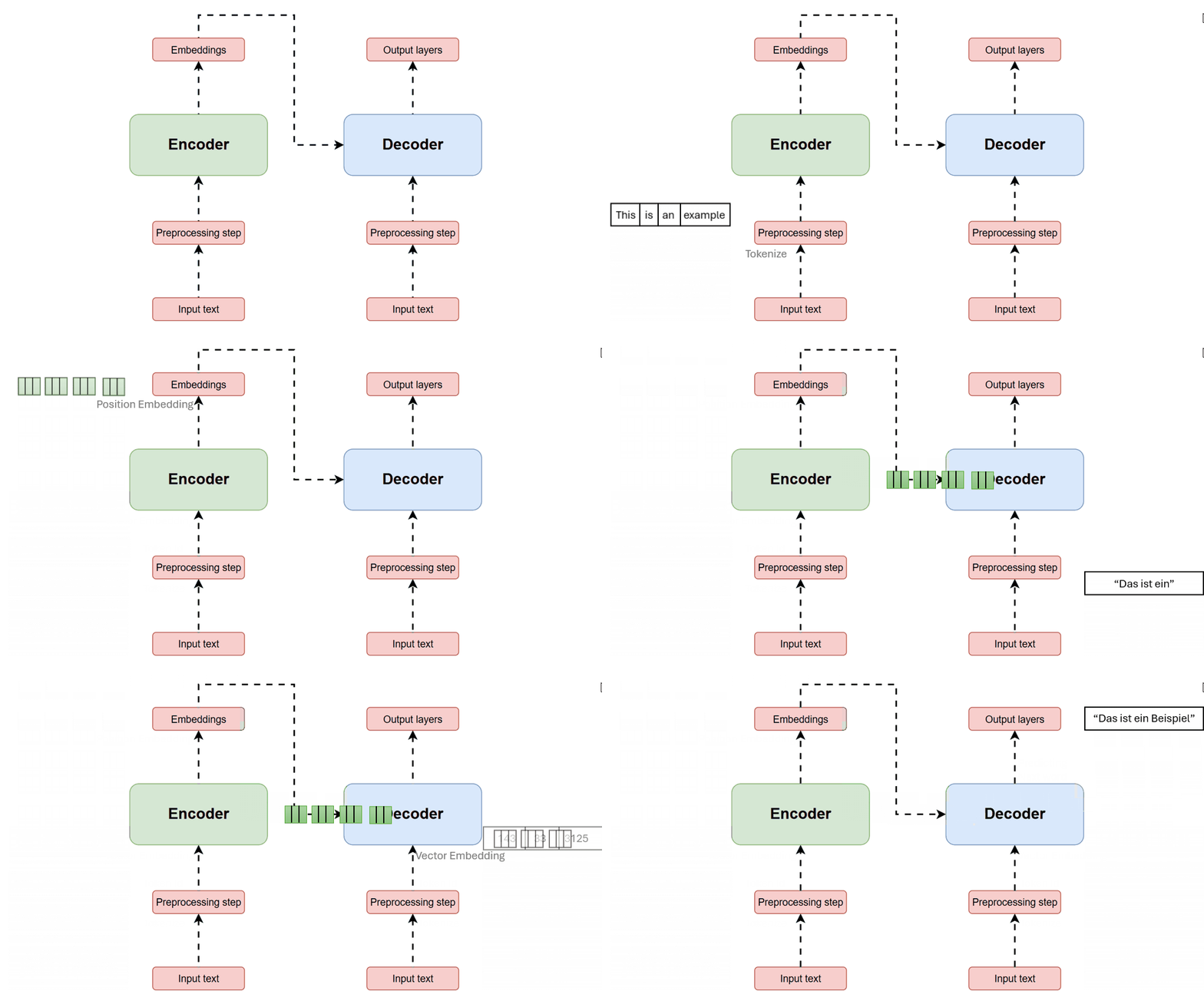
The big picture
Source: Hivenet
Five steps:
- Tokenise: cut the text into pieces
- Embed: give each piece a list of numbers
- Attend: let the pieces look at each other
- Stack: repeat step 3 dozens of times
- Predict: guess the next piece
Step 1: Tokenisation
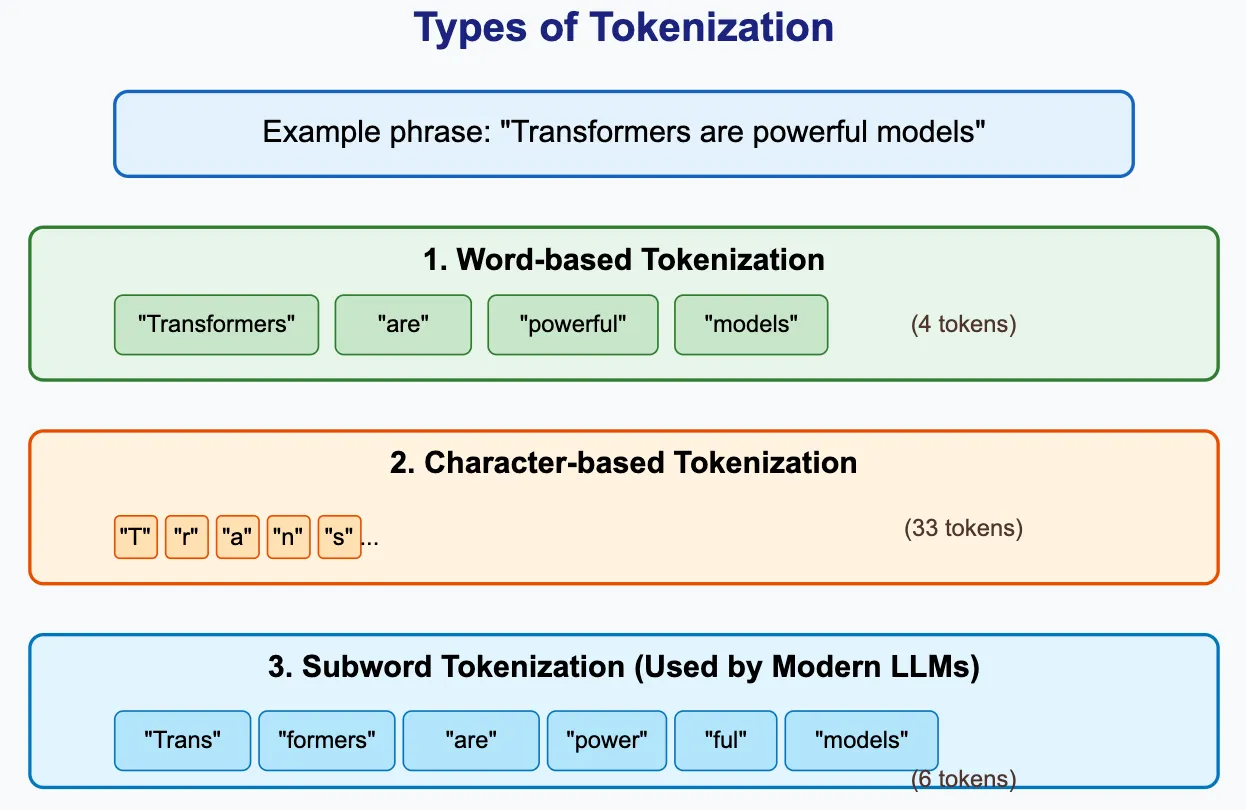
Breaking text into pieces
- Text must be converted to numbers
- Tokenisation: split text into tokens
- Usually words, letters, or word pieces
- “unhappiness” → “un”, “happiness”
- GPT-2 has a vocabulary of 50,257 tokens
- Each token gets a unique ID number, like a dictionary of codes
Source: Medium
Step 2: Embeddings
Words as points in space
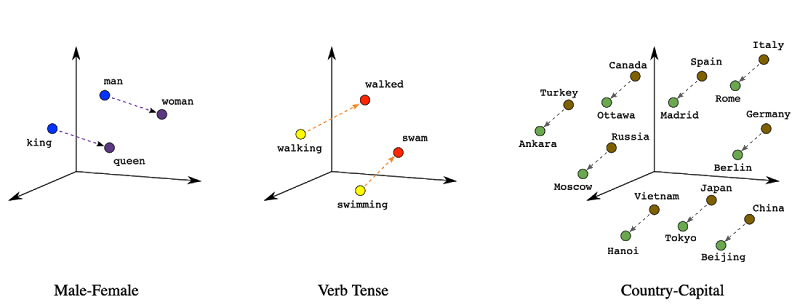
- Each token becomes a vector (a list of numbers)
- GPT-2 small: each token → 768 numbers (other models use other sizes)
- These vectors capture meaning:
- Similar words are close together
- “king” - “man” + “woman” ≈ “queen”
- Also add position information: word order matters (“Dog bites man” ≠ “Man bites dog”)
- Embeddings start as random numbers. Every bad guess nudges them, and words used alike drift together
- Nobody arranges them. Meaning is a side effect of predicting well
Source: Google Cloud
Step 3: Self-attention
The main innovation of the paper
- The model is always guessing the next word:
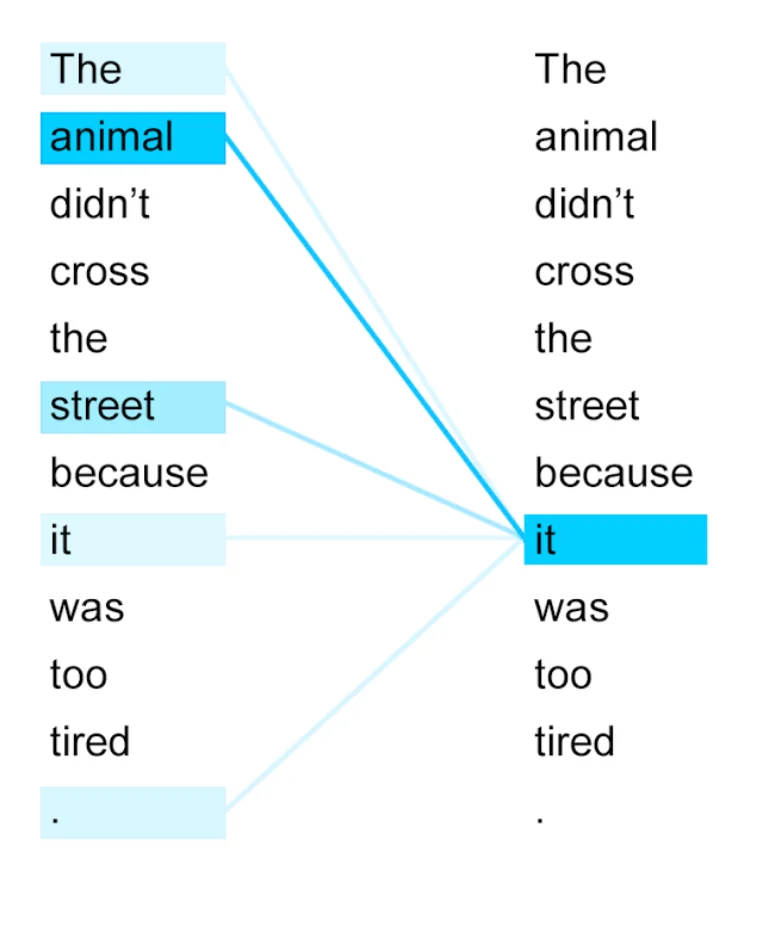
- “The animal didn’t cross the street because it was too ___”
- “tired” if “it” means the animal, “wide” if it means the street
- So the guess depends on what “it” refers to
- But after Step 2 each word sits alone, and “it” is the same 768 numbers in every sentence
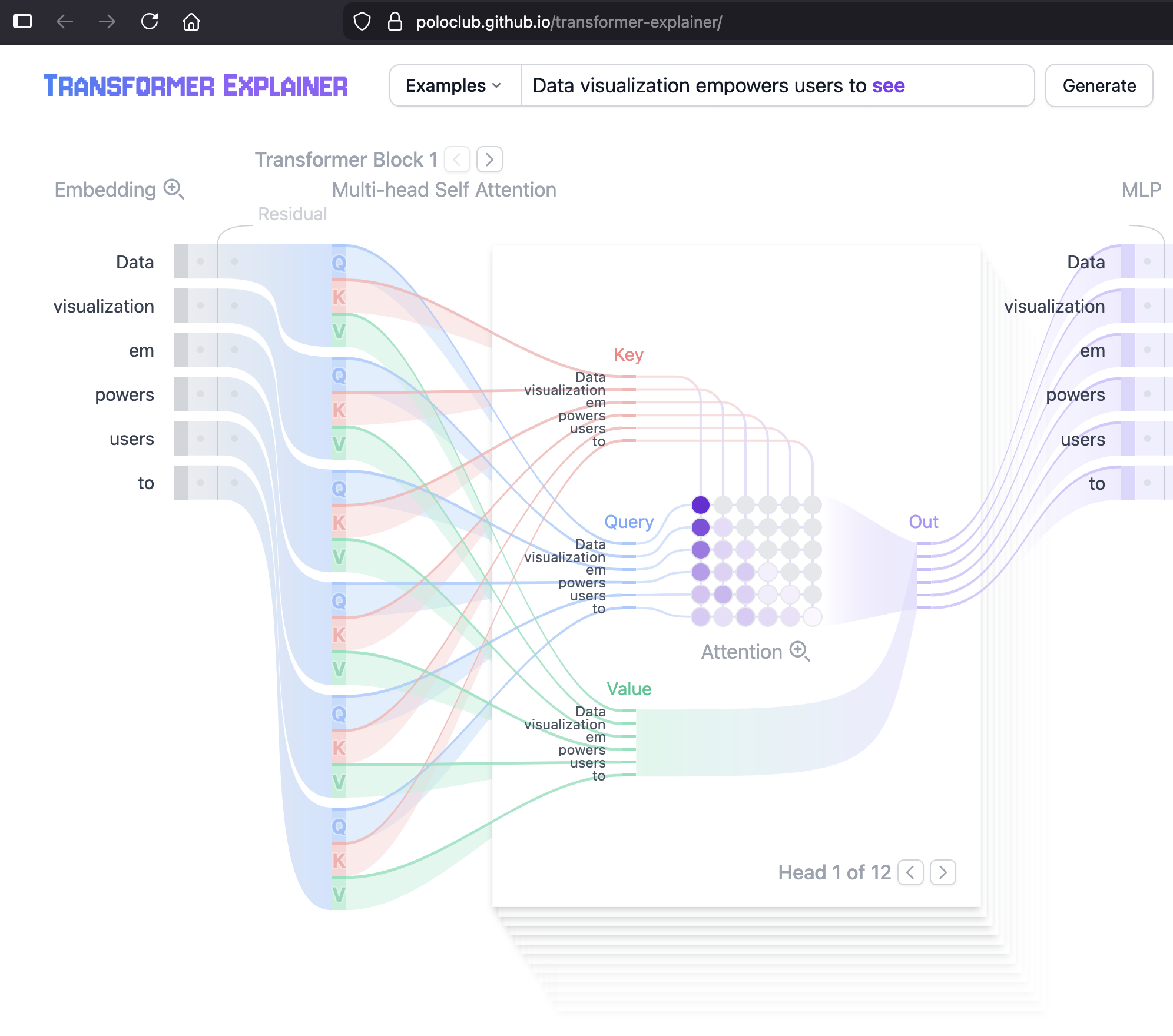
- Attention lets “it” reach back to “animal” and “street”, weigh both, and “tired” wins
- Attention is the only step where words see each other
You may meet these called Query (what a word is looking for), Key (what a word advertises about itself) and Value (what it hands over when matched). How well a query matches a key is the attention score
Source: Jay Alammar
Multi-head attention
“The cat sat on the mat”
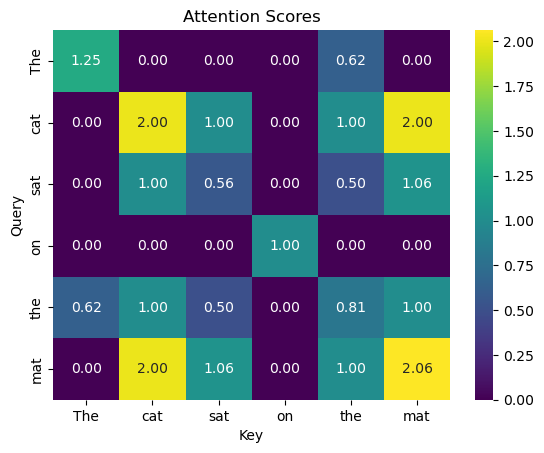
Source: Thomas Wiecki
- Same idea, new sentence: “The cat sat on the ___”
- One search is not enough. The guess needs several things at once:
- Who is doing it: “cat”
- What they are doing: “sat”
- What kind of word follows “on”: a place
- Multi-head attention: 12 searches side by side, each asking its own question (GPT-2 small)
- Nobody assigns the questions. The heads specialise during training
- Division of labour again, and this time it organises itself
Step 4: Feed-forward and stacking
Where the model keeps what it knows
- “The cat sat on the ___”: attention brings “cat” and “sat” to the blank
- The sentence never says what a cat sits on. The feed-forward network (MLP) supplies it from memory
- Attention moves what is in the sentence. The network adds what is not
- The two make one block: 12 in GPT-2 small, 48 in full GPT-2, 96 in GPT-3
- Each block adds to the word rather than replacing it, so nothing is lost between blocks
- Each block asks a better question than the last:
- Early: what kind of word is this?
- Late: what is this text about, and what comes next?
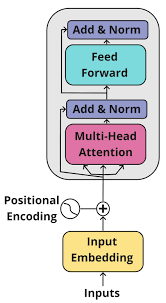
Source: Mohamed Traore
Multi-layer perceptron (MLP): Rosenblatt’s 1958 perceptron, stacked in layers and trained by backpropagation. Two thirds of the weights live here
Step 5: Predicting the next token
The final output
- After all the blocks, the model asks: “what comes next?”
- It gives every token in its vocabulary a score
- Most score roughly zero. A handful take almost everything
- Temperature controls how the winner is picked:
- Low (0.2): takes the safe option
- High (1.0+): takes more risks
- The chosen token joins the sentence, and the whole process repeats
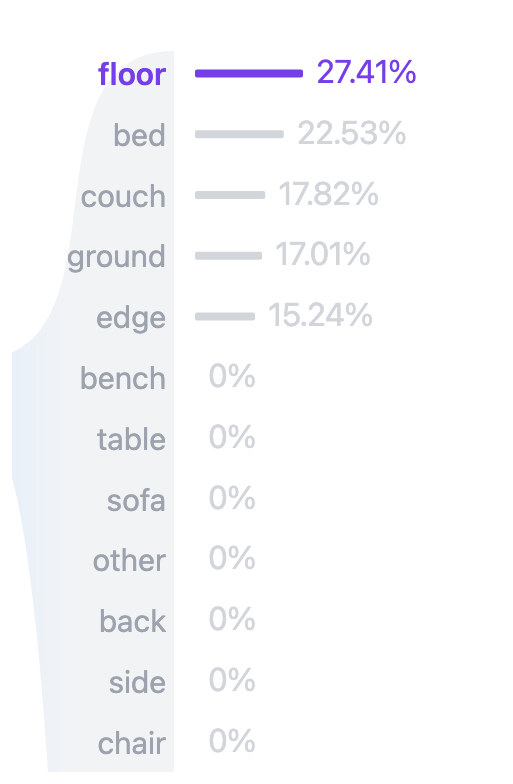
Step 5: Predicting the next token
The final output
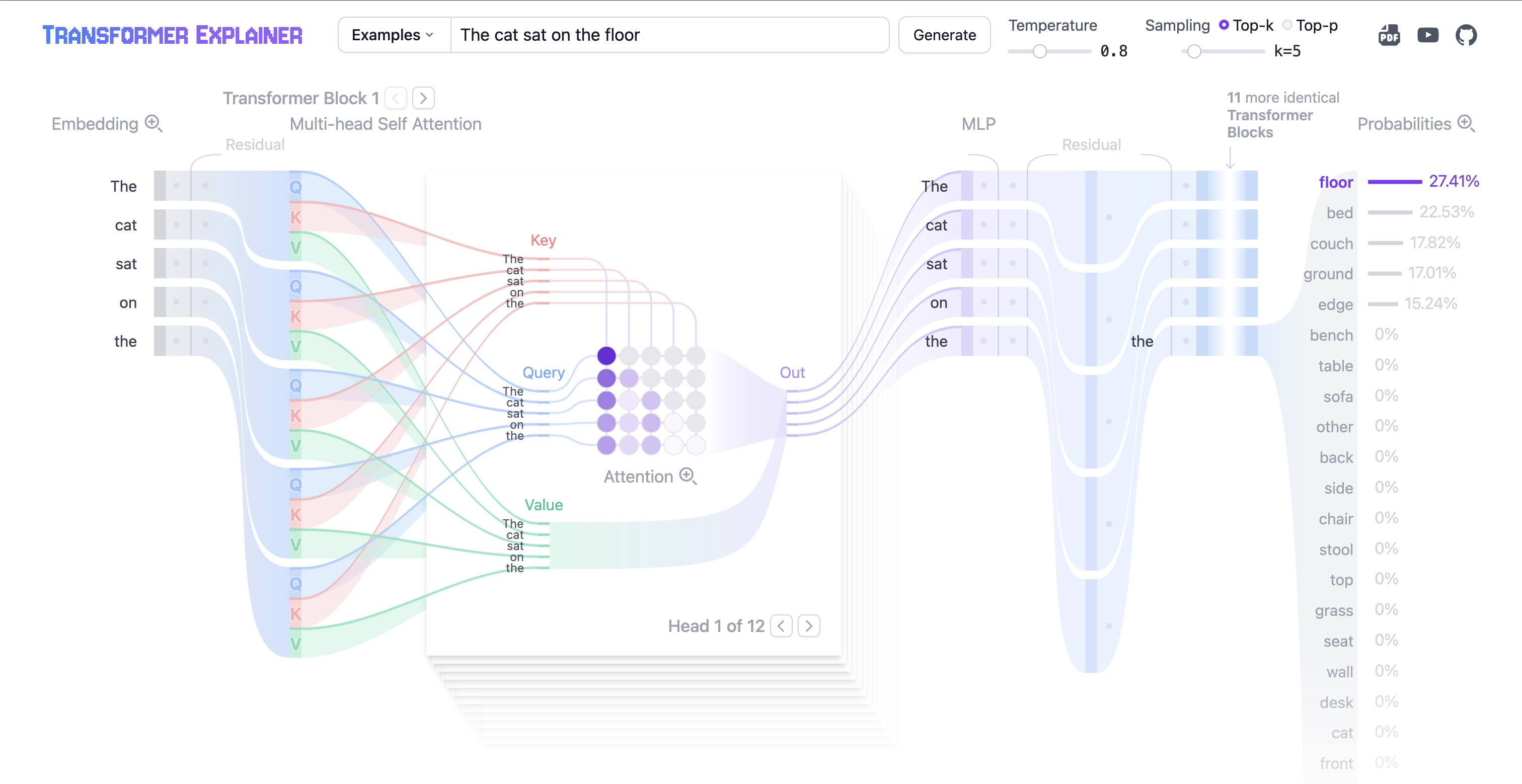
Source: Transformer Explainer
What makes ChatGPT different?
Beyond just scaling
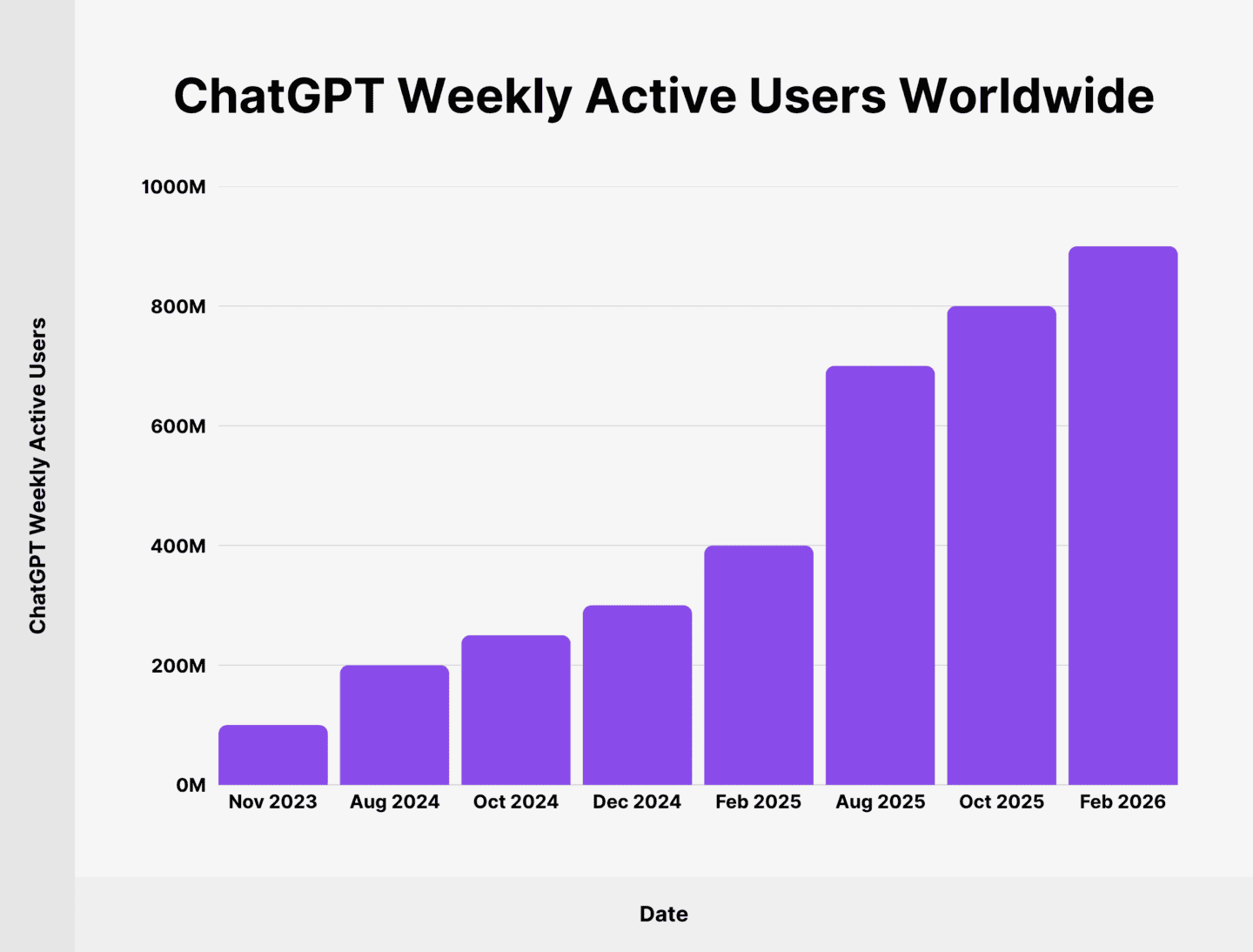
- ChatGPT (Nov 2022) wasn’t just a bigger model. It added three things:
- Instruction tuning: trained to follow instructions
- RLHF (Reinforcement Learning from Human Feedback): humans rate responses, the model learns what’s helpful
- Safety training: reduce harmful outputs
- Result: a model actually useful for conversation
- 100 million users in 2 months, the fastest-growing consumer app at the time
Source: Voronoi
Multimodal AI
Beyond text
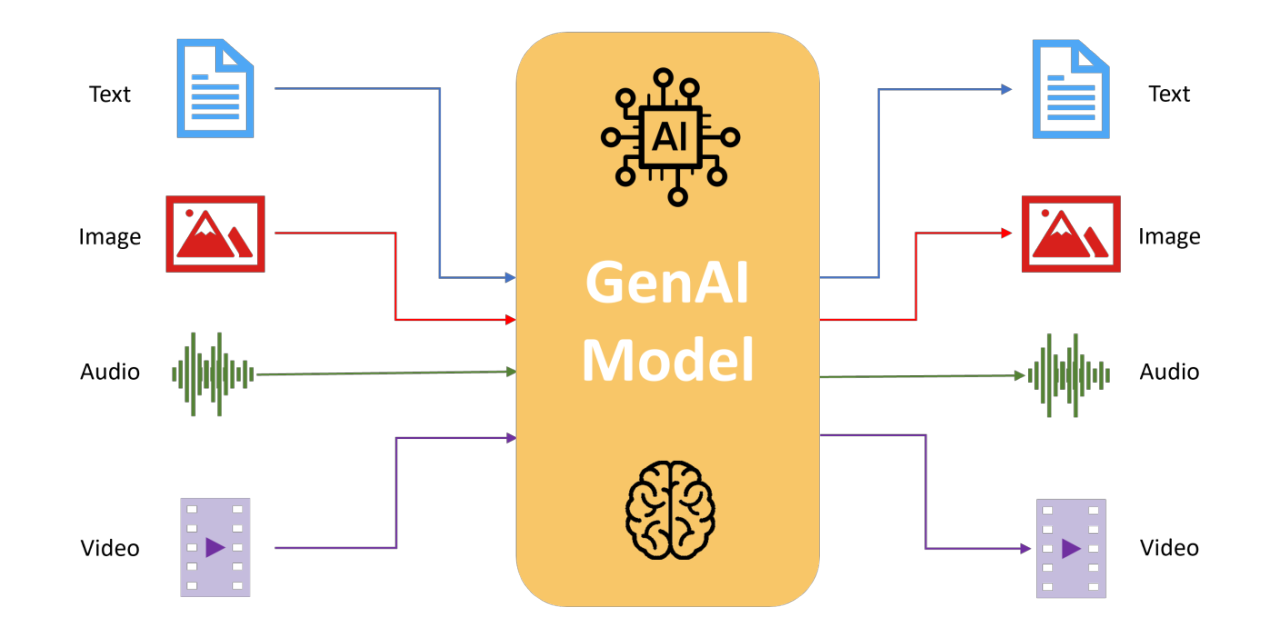
- Multimodal models can process:
- Text ↔︎ Images (DALL-E, Midjourney)
- Text ↔︎ Audio (Whisper, ElevenLabs)
- Text ↔︎ Video (Sora, Runway)
- Text ↔︎ Code (Codex, Copilot)
- Same transformer architecture, different inputs/outputs
- Vision Transformers (ViT): treat images as sequences of patches
- The boundaries between modalities are blurring
Source: Tarun Sharma
Interactive resource
Explore transformers yourself!
- Georgia Tech’s Transformer Explainer
- An interactive visualisation of how transformers work
- See attention patterns in real time
- Experiment with temperature and sampling
- Runs GPT-2 directly in your browser!